

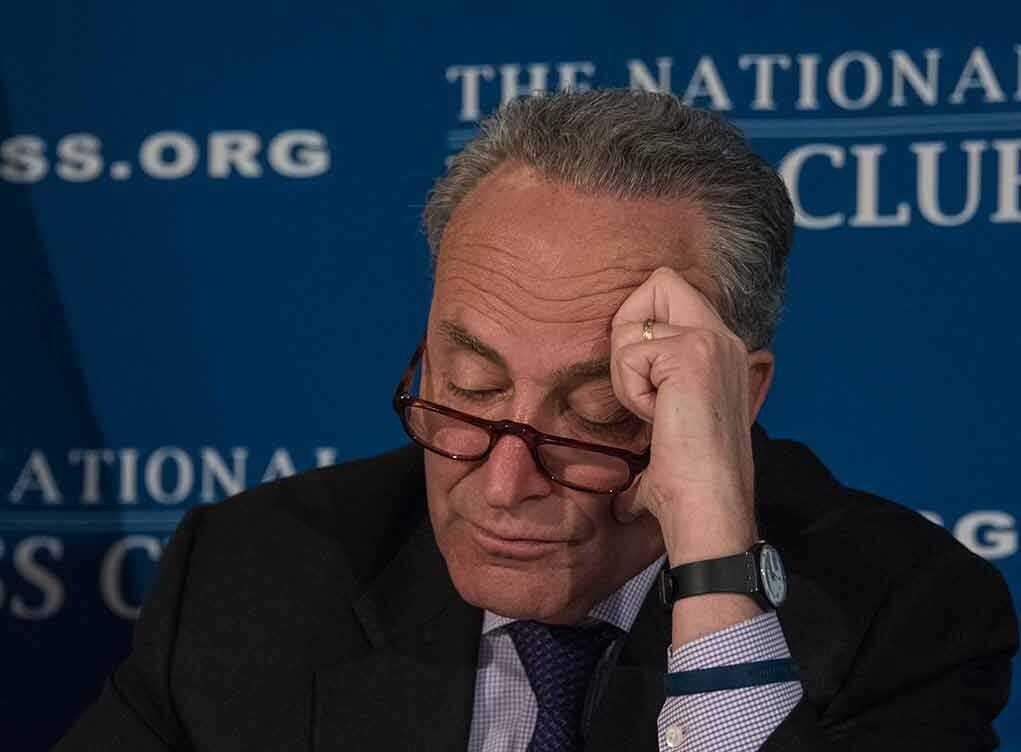
Top Democrats erupted after President Trump named Stephen Miller White House chief of staff, vowing to fight him “every step of the way.”
Story Highlights
- President Trump promoted Stephen Miller to chief of staff days after GOP midterm losses.
- Democratic leaders Chuck Schumer and Hakeem Jeffries condemned the choice in sharp terms.
- Major outlets identify Miller as architect of Trump’s hardline migration agenda.
- The appointment signals continuity in policy direction despite election setbacks.
Trump Elevates Trusted Adviser After Midterm Setback
President Trump announced Stephen Miller will replace Susie Wiles as White House chief of staff starting November 9, 2026. The move came days after Republicans suffered heavy midterm losses. The New York Times and other outlets reported the change as the first major post-election shakeup. Trump framed Miller as a trusted adviser with experience inside the West Wing. Reports linked the shift to an effort to streamline operations and keep a firm policy course after the vote.
Trump’s message stressed continuity and loyalty over course correction. Coverage described Miller as a longtime aide who helped drive major domestic priorities in the first term and beyond. The decision showed a White House leaning into its agenda rather than tacking to the center. For conservatives who want secure borders, lower crime, and a government that follows the law, the pick signals resolve. It says the administration plans to enforce the rules and cut the chaos created by open-border politics.
Democratic Leaders Promise Resistance to Miller’s Role
Senate Majority Leader Chuck Schumer said Trump “couldn’t have made a worse choice” and pledged to fight Miller “every step of the way.” House Speaker Hakeem Jeffries labeled Miller a “dangerous xenophobe” and demanded he be fired. These attacks framed Miller as the author of inhumane policies. The rhetoric was fierce and personal, but it rested on political labels rather than new evidence about future directives under Miller’s leadership as chief of staff.
The Hill and the Washington Post reported the condemnations within hours of the announcement. Democrats argued the appointment proved Trump “learned nothing” from the election results. That claim reflects a policy fight more than a proven fact about internal orders. There is, to date, no formal 2026 policy memo tied to Miller’s first week as chief. The record confirms the promotion and the backlash, not a new rulebook. Voters should separate charged language from what the White House actually does next.
What Miller’s Appointment Likely Means for Policy Direction
Newsrooms across the spectrum described Miller as the architect of Trump’s hardline migration stance. That history suggests tighter border enforcement will remain a priority. Chiefs of staff help shape access, speed decisions, and drive follow-through across agencies. Placing a policy-focused loyalist in that role points to firmer execution of existing goals, including stronger interior enforcement and a tougher asylum system, while Congress debates broader reforms. The choice favors results over public relations.
For many readers, the stakes are clear: border chaos hurts working families, strains towns, and undercuts the rule of law. High energy costs, inflation, and crime already squeeze household budgets. A steady hand that prioritizes order and legal process is welcome. The media fight will be loud, but actions matter more than adjectives. Watch for agency data on arrests, removals, and court backlogs in the months ahead to judge performance, not partisanship.
Sources:
thegatewaypundit.com, nytimes.com, bbc.com, washingtonpost.com, ktsm.com