

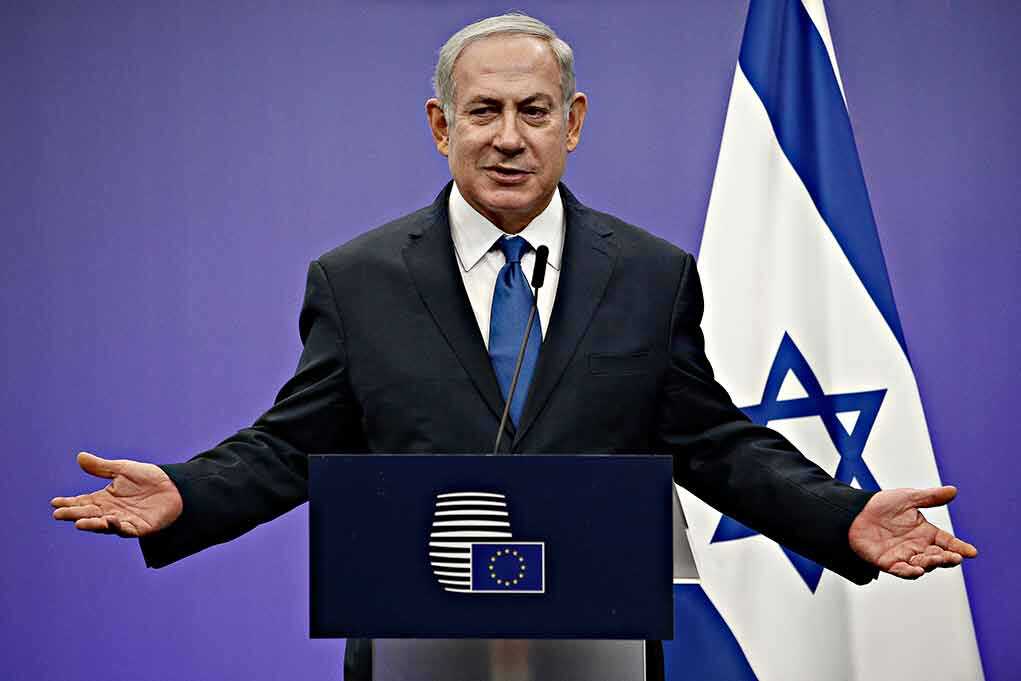
Israel’s government has opened formal ties with select European nationalist parties to lock in support on immigration, security, and the fight against Islamist extremism.
Story Highlights
- Israel directed diplomats to build formal channels with France’s National Rally, Sweden Democrats, and Spain’s Vox.
- The move seeks allies on border security, counterterror, and opposition to radical Islam amid wartime pressure.
- Critics warn engagement could legitimize parties with antisemitic roots and unsettle European Jewish communities.
- Israel’s ruling party also linked with the Patriots for Europe bloc as observer, deepening right-of-center ties.
Israel Formalizes Contacts With European Nationalist Parties
Israeli Foreign Minister Gideon Sa’ar instructed diplomats to open formal communication with three European parties: France’s National Rally, the Sweden Democrats, and Spain’s Vox. Reporting states these parties were long kept at arm’s length over antisemitism concerns and ties to old extremist movements. Israel’s step signals a clear choice to work with groups that back Israel and stress hard borders, nationhood, and resistance to Islamist terror in Europe’s public square.
Analysts say the outreach aims to secure votes, airtime, and backing inside European institutions during a volatile period. Israel has faced sharp scrutiny during the Gaza war, and seeks partners who share a focus on security, counterterror, and stricter migration rules. This cooperation fits a broader pattern of engagement with the European right, where issue overlap on national sovereignty and law-and-order now often outweighs historic distrust.
Rationale: Security Convergence And Political Leverage
Israeli leaders view these parties as reliable voices against jihadist movements and illegal immigration, two drivers of instability that also strain European cities. Coordinated messaging can press larger blocs to prioritize border control, policing, and terror finance enforcement. Observers note that Israel’s ruling Likud joined the Patriots for Europe group in the European Parliament as an observer, a practical step that widens access to lawmakers and committee rooms where policy gets shaped and budgets are set.
Supporters of the shift argue that results matter. Votes in Brussels and national capitals decide sanctions, defense coordination, and how Europe labels terror proxies. When partners back Israel’s right to self-defense and call out Islamist ideology, that alignment can blunt hostile resolutions and activism. It also reframes debates away from ideology toward concrete risks: border crime, terror cells, and foreign influence operations that exploit weak migration systems and lax enforcement.
Backlash: Fears Of Whitewashing And Community Strain
Opponents counter that the outreach risks laundering the records of parties that still wrestle with antisemitism among members. They warn that official ties could confuse or divide European Jewish communities who have long opposed these movements. Foreign Policy reported that many such parties still struggle with antisemitic elements, and that outreach in Germany and Austria met a cold response due to these concerns. Community leaders also fear anti-Muslim rhetoric is being used to solicit Jewish backing.
Policy experts add that formal engagement could brand Israel as aligned with Europe’s radical right, possibly deepening rifts with centrist allies and Jewish organizations. The Jewish People Policy Institute warned that the new posture can destabilize communities that have worked for years to hold the line against extremist politics. They argue that once Israel grants legitimacy, it becomes harder for local leaders to resist normalization on the ground.
What This Means For U.S. Conservatives
American readers see a familiar split: strong borders and clear-eyed talk about Islamist terror versus fears of empowering bad actors. Conservatives can respect Israel’s focus on practical allies who back sovereignty, security, and the fight against radical Islam. At the same time, due diligence matters. No partner should get a free pass on bigotry. The standard should be firm commitments to fight antisemitism, defend civil order, and support Israel’s security—backed by actions, not slogans.
What To Watch Next
European Parliament dynamics will show whether these ties move votes on sanctions, terror designations, and migration enforcement. National elections in France, Spain, and Sweden will test if party leaders can police their ranks and meet Israel’s red lines against antisemitism. If cooperation yields tighter border controls and tougher stands on terror finance, Israel’s gamble will look pragmatic. If scandals mount, pressure will grow to narrow or suspend contacts in favor of center-right partners.
Sources:
feedpress.me, afp.com, eureporter.co, washingtonpost.com, researchcentre.trtworld.com