

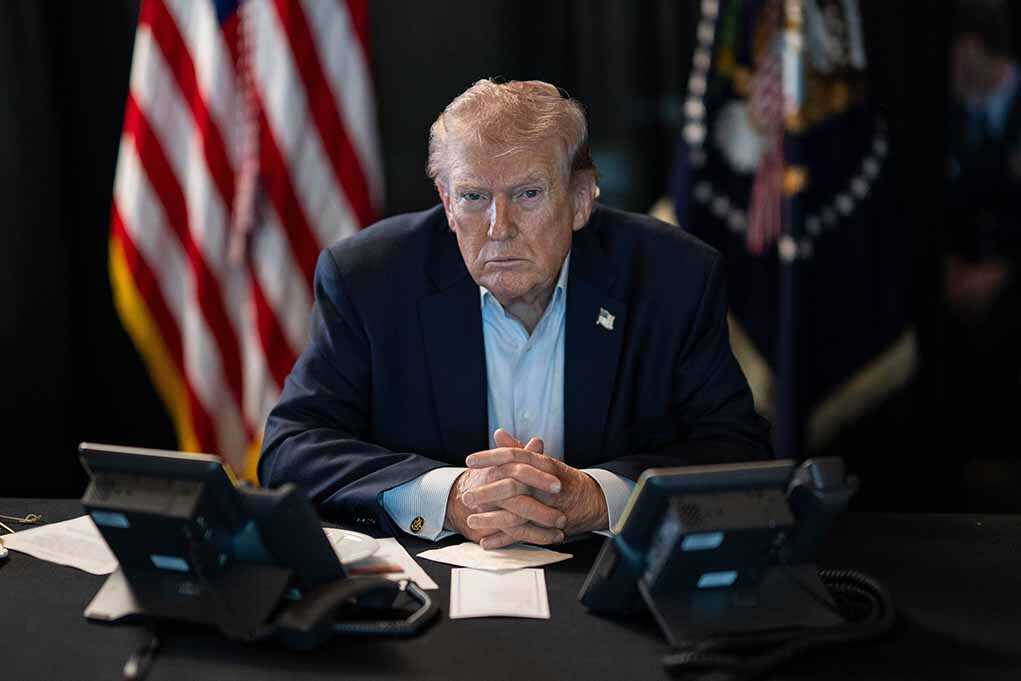
President Trump launched a 32-day coast-to-coast campaign blitz to help Republicans defend Congress ahead of November.
Story Highlights
- Trump announced a “32-day tour” to back Republicans in key midterm races.
- The travel push centers the president and his record in the fight to hold Congress.
- The sprint begins with stops in Texas and expands to other competitive states.
- Midterms often punish the president’s party, so turnout and energy are the goals.
Trump Sets 32-Day Sprint To Bolster GOP Control
President Trump said he will spend the next 32 days on the road to support Republican candidates before the midterm elections. He described the plan as a “literally a 32-day tour,” putting himself and his record at the center of the battle for Congress. The White House strategy aims to keep the House and Senate in conservative hands, where border security, energy policy, and spending restraint can advance without delay. Trump’s timetable signals urgency and a hands-on push to rally voters.
The tour starts with a Thursday trip to Texas, followed by additional stops that the president said would include Ohio and “all different places”. Reporters and campaign trackers expect a mix of deep-red strongholds and contested areas where Republican turnout can decide close races. The message focuses on law and order, border enforcement, and relief from high prices. Campaign aides say the schedule is built to pack rallies into evenings, allowing local candidates to draw crowds and media coverage.
Why This Matters For Conservative Priorities
Republicans need ground energy to protect the House and Senate majorities that check radical spending and defend the border. Midterm cycles often cut against the party in the White House, which is why presidents invest time to fire up their base and keep wavering voters engaged. Trump’s events highlight border security, lower energy costs, and freedom of speech. These themes connect with families who feel squeezed by inflation and frustrated by open-border policies pushed by the left in recent years.
Control of Congress sets the path on core issues that shape daily life. Committees decide whether to secure the border or look away. Budgets decide if Washington spends within its means or piles on new debt. A Republican Congress tightens oversight on agencies that have drifted into political fights and culture wars. Trump’s travel blitz supports candidates who favor drilling, reliable power, and American industry. Those policies lower costs, help workers, and reduce reliance on hostile foreign suppliers.
Strategic Map: Energize, Defend, And Close
Presidents tend to focus visits where races are close, and where a rally can boost turnout or fundraising in the final stretch. Analysts note that midterm presidential travel is common and often geared to energizing reliable voters who might otherwise stay home. Trump’s decision to anchor the month with frequent rallies mirrors that logic. Texas and Ohio are launch pads with strong conservative bases and media reach, allowing local Republicans to capture attention and build momentum heading into early voting.
History shows the president’s party usually loses House seats in midterms, which raises the stakes for every visit. Trump’s tour seeks to limit any losses and hold key swing districts through relentless attention and message discipline. That means sharp contrasts on the border, the economy, and parental rights in schools. The schedule also gives down-ballot Republicans a platform to present local plans on crime, taxes, and job growth, while tying Democrats to national policies that raised costs and weakened security.
What Voters Can Expect At Each Stop
Rallies will put local candidates on stage to lay out concrete steps on border barriers, asylum fixes, and deporting criminal cartels. Energy comes next, with promises to approve pipelines, speed permits, and expand oil and gas to lower bills. Families will hear plans to defend faith, protect free speech, and uphold the Second Amendment. Each stop blends national stakes with local issues, giving voters a clear choice between secure borders and safe streets, or the chaos enabled by open-border politics.
The campaign’s closing argument ties prosperity to order. Secure borders, strong police support, and American energy reduce prices and restore stability. Trump’s 32-day sprint is built to turn that case into votes, district by district. The path to holding Congress runs through steady turnout, sharp contrasts, and simple promises kept. If Republicans match message with muscle, this tour can anchor a firewall that stops reckless spending and keeps America’s constitutional values front and center.
Sources:
facebook.com, aljazeera.com, theepochtimes.com