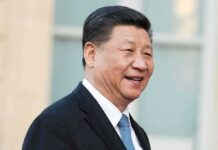


The United States denied visas to Mahmoud Abbas and his delegation, and the United Nations let him address the General Assembly by prerecorded video instead.
Story Highlights
- The State Department refused entry to Mahmoud Abbas and Palestinian officials before the United Nations meetings.
- The United Nations General Assembly approved a prerecorded address so Abbas could still speak.
- Abbas delivered a video speech that pressed claims on Gaza, settlements, and elections.
- Washington cited unmet reforms and actions seen as harming peace efforts.
U.S. Visa Denials Set the Stage for a Remote Address
The United States denied visas to Palestinian Authority President Mahmoud Abbas and other officials ahead of the United Nations General Assembly in New York. The State Department attributed the decision to failures to reform and to actions it said undermine prospects for peace, continuing a policy applied since last year. The move kept Abbas from entering the country for the high-profile gathering of world leaders. It also revived debate over host-nation obligations and diplomatic access.
The United Nations General Assembly voted to allow Abbas to submit a prerecorded statement so his voice would be heard despite the travel bar. Reporting said the 193-member body passed a measure to accept a video address for the session’s general debate, ensuring the Palestinian position appeared on the record even without an in-person appearance. That vote provided a procedural path that has sometimes been used when leaders cannot attend due to security, health, or diplomatic limits.
What Abbas Said in the Prerecorded Speech
The United Nations posting of the address identifies it as a prerecorded speech by the President of the State of Palestine for the 81st session of the General Assembly. The description says Abbas criticized the war in Gaza, condemned settlement expansion including the E1 plan, and repeated support for a two-state solution with a non-militarized Palestinian state living beside Israel. He linked his position to international law and called for steps he argued would protect civilians and open a path to political resolution.
The United Nations video description also notes Abbas announced a political timetable. He said legislative elections were scheduled for November 28, 2026, with Palestinian National Council and presidential elections to follow, and he claimed reforms on governance, transparency, and social services were complete. The research package does not include separate election decrees or a full transcript, so the timeline and details come from the United Nations’ posting summary rather than a verbatim record.
Why Washington Said No, and What Comes Next
The State Department framed the visa denials as a response to actions that internationalize the conflict and fail prior commitments, reinforcing leverage for reforms it says are overdue. Reuters and other outlets reported that U.S. officials view certain Palestinian Authority and Palestine Liberation Organization steps as harming the chances for negotiated peace, which the administration argues must be the end goal. The policy signals that incentives and penalties will continue to shape access during major diplomatic events.
The United Nations work-around ensured the message landed, but a video cannot replace live hallway diplomacy, press exchanges, or direct talks with counterparts. That is by design when Washington wants pressure, not a platform. For readers focused on American strength, the take-away is clear: the United States set terms, enforced them at its own doorstep, and still allowed the forum to hear the remarks without rewarding conduct it deems counter to peace. The approach keeps pressure on reforms while avoiding a speech blackout.
Sources:
youtube.com, apnews.com, amnesty.org, english.ahram.org.eg