
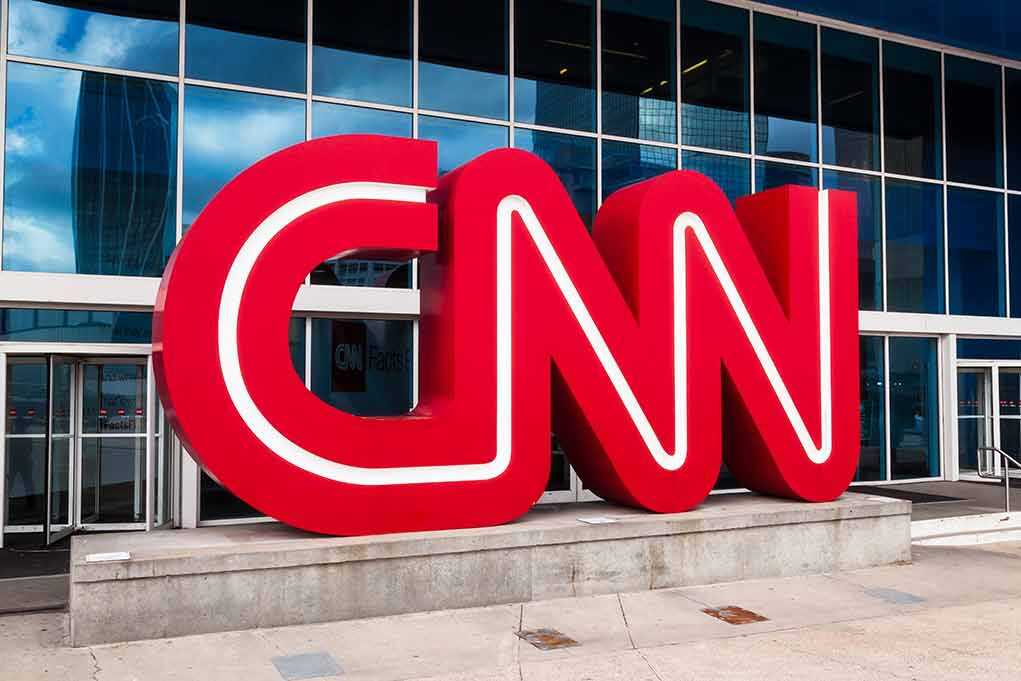
President Trump announced a ban on CNN from White House access, and the network fired back by calling it an “illegal assault” on constitutional press rights, setting up a direct First Amendment clash over viewpoint-based exclusion that could shape media access rules nationwide.
Story Highlights
- Trump tied the ban to CNN’s “fake news” coverage, making viewpoint central to the dispute.
- CNN said it has a constitutional right to report without government interference and called the action illegal.
- Reporters said CNN previously held White House access, including briefings and workspaces.
- How the ban will be enforced and by what process remains unclear in reports.
What Trump Announced and Why It Matters
Reports said President Trump posted that he was banning “Fake News CNN” from the White House “effective immediately,” linking the move to what he called constant “fake news,” “fiction,” and “lies” in the network’s coverage. In later remarks, he said there was no single trigger, but “cumulative stories” over years drove the decision. The stated tie between access and coverage makes viewpoint the core fight, which is exactly where First Amendment case law grows sharp edges for any administration.
Law does not give any outlet a guaranteed Oval Office seat on demand. But courts have warned that once government opens press spaces, it cannot shut doors to certain reporters just because of viewpoint. A federal court said that if the government opens rooms like the East Room or Oval Office to some journalists, it cannot exclude others for their views. That standard turns on where the access occurs and whether the rule is neutral and reasonable in light of the forum’s purpose.
How CNN Responded and What Is Known About Access
CNN released a statement saying it stands behind its reporting and has a right under the United States Constitution to do that work without government interference. The network said the threatened ban would be an “illegal assault” on that right. Coverage also noted that CNN reporters previously held passes for the White House campus, work areas, and events such as briefings and helicopter departures, which means this is not about gaining new access, but losing standing access previously allowed to others.
Reports also said key details remain unsettled. It was not clear how the prohibition would be enforced or whether any written directive or badge deactivation had issued at the time of reporting. That gap matters for legal posture. A public statement can chill speech, but courts normally judge the policy actually used. Proof of viewpoint-based removal from a generally opened press space can trigger constitutional problems; selective invites to limited events may be judged differently.
The Legal Lines: Opened Press Spaces Versus Select Events
Courts have treated the main press areas of the White House as a “nonpublic forum” where the government may set rules, but those rules must be viewpoint neutral and reasonable. That is the line drawn by decisions that discuss the press area and credential systems. In a separate ruling, a judge held that once officials open doors to certain journalists for places like the Oval Office or East Room, they cannot bar others because of viewpoint, which reads as a strong warning against retaliation based on coverage.
This means two questions decide the fight. First, what exact space or access was removed: a broadly opened press area, or a selective, invitation-only event? Second, what evidence shows the decision targeted CNN’s viewpoint rather than applying a neutral, stated rule? Trump’s own words tied the ban to coverage quality, which cuts against viewpoint neutrality. But the final legal answer depends on the written policy, the forum, and the enforcement record, which are not fully in the public file yet.
Why Conservatives Should Care About Process and Precedent
Conservatives know legacy outlets have slanted coverage for years. Many cheer tough talk toward bias. But power and precedent outlast one presidency. If a White House can ban a network for its viewpoint today, a future left-wing White House could lock out conservative outlets tomorrow. The safer route is clear, transparent rules that apply to all, with due process and viewpoint neutrality in opened press spaces, while keeping normal discretion for small, invitation-based events grounded in clear criteria.
What Comes Next
Expect fast legal moves if badges are pulled or gates deny entry. Expect discovery fights over who ordered what and why. Expect the court to ask where the forum sits on the access spectrum and whether the policy is viewpoint neutral and reasonable for that space. Until then, citizens should demand two things from government and media alike: follow the Constitution’s lines, and tell the truth plainly. That is how we protect both accountability and limited government.
Sources:
twitchy.com, bbc.com, cnn.com, aljazeera.com, nytimes.com, cbc.ca