
CNN’s real panic isn’t about politics—it’s about who gets to decide what “news” looks like when the money runs out.
Quick Take
- Netflix reportedly walked away, and Paramount’s broader bid emerged as the preferred offer for Warner Bros. Discovery assets that include CNN.
- CNN staffers, according to insider accounts, describe a “horrific” internal mood and fear a job-cutting merger scenario.
- CNN CEO Mark Thompson has tried to steady the place with memos and a town hall, but no deal is closed yet.
- David Ellison’s proximity to Trump-era politics and Bari Weiss’s role at CBS intensify employee worries about editorial direction.
A Deal Rumor Hits the Newsroom Like a Fire Alarm
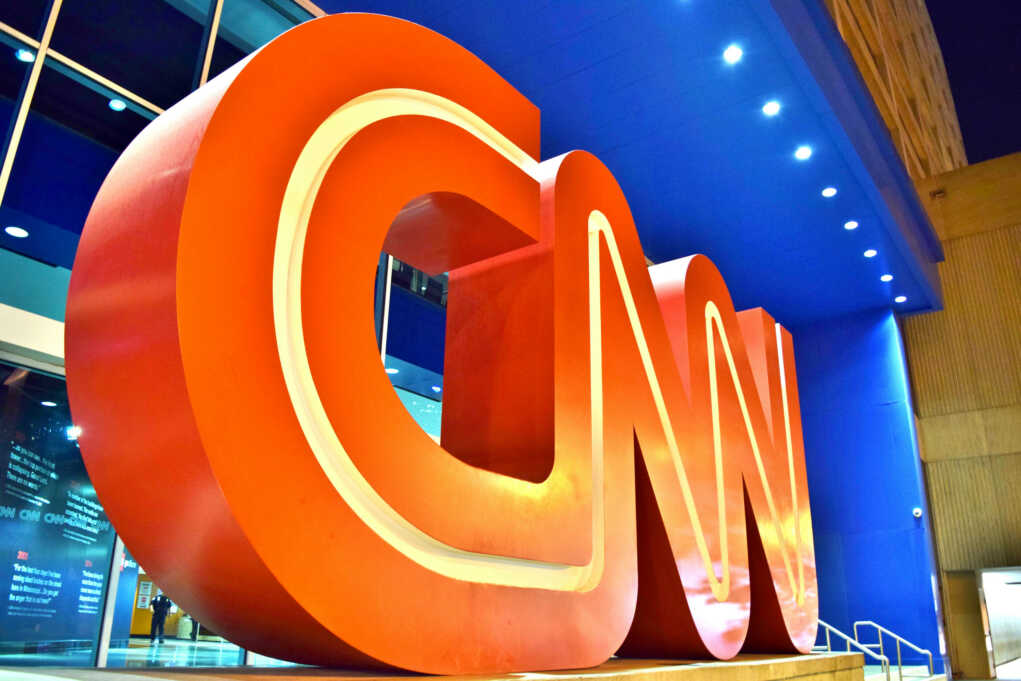
CNN’s staff reaction makes sense when you strip away the gloating headlines and partisan cheering. A potential sale isn’t a philosophical debate inside a newsroom; it’s a spreadsheet that decides who stays, who goes, and which shows survive. Reports describe a bleak mood after Netflix declined to raise its offer and Paramount’s bid looked “superior.” Mark Thompson’s memo and town hall promise process, but employees hear one thing: uncertainty.
The open question that keeps everyone awake is simple: does a new owner want CNN as-is, or as raw material? Paramount, tied to Skydance leadership and a larger CBS ecosystem, wouldn’t be buying a museum piece. Corporate acquirers buy leverage—distribution, brand recognition, advertising relationships, and libraries. News becomes valuable when it stabilizes a broader entertainment empire. That is also why people who make the news fear becoming an easily trimmed “cost center.”
Why Netflix Stepping Back Matters More Than the Memes
Netflix withdrawing carries a cold implication: even the most aggressive streaming titan may not see a clean path to profit from these assets at that price. In other words, the business case has gotten harder, not easier. Cable audiences keep shrinking, ad markets wobble, and attention has scattered across podcasts, clips, and independent outlets. For CNN staffers, Netflix leaving the table signals fewer bidding options and less negotiating power for the people who actually produce the content.
Warner Bros. Discovery’s incentive runs in the opposite direction. WBD has debt pressure and must reassure investors it can unlock value. If Paramount’s offer covers “full assets” and looks cleaner to a board, executives will favor certainty, not sentimentality. That is the structural reality many viewers miss: corporate ownership doesn’t reward a newsroom for being famous. It rewards a newsroom for being efficient, predictable, and aligned with a larger corporate strategy.
The Human Fear: Layoffs First, Editorial Plans Second
Inside accounts emphasize dread about job losses and potential consolidation with CBS News. That fear isn’t paranoia; media mergers typically chase “synergies,” a polite word for redundancies. Two Washington bureaus become one. Two control rooms become one. Two digital teams get “streamlined.” The viewers who root for a takeover as punishment forget that the first targets usually aren’t the stars; they’re producers, editors, and technical staff.
Editorial anxiety comes next, and here the politics enters. Staffers reportedly worry about a shift toward content friendlier to MAGA audiences, a perception driven by David Ellison’s relationships and by the broader cultural meaning attached to Trump-era media battles. From an American conservative, common-sense viewpoint, employees panicking over ideological diversity can look like an admission that the old model relied on a protected monoculture. Still, no serious observer should treat a rumored editorial pivot as a confirmed plan until leadership announces it.
Bari Weiss, CBS, and the New Power Map of “Mainstream”
The mention of Bari Weiss carries symbolic weight because she represents a style of media that claims independence from legacy newsroom groupthink while still courting establishment reach. If Paramount’s corporate structure pulls CNN closer to CBS News, people naturally speculate about overlapping leadership philosophies, new standards, and new talent pipelines. Speculation isn’t proof, but it shapes morale. Newsrooms run on confidence, and mergers inject a special kind of doubt: not “Are we right?” but “Will we exist?”
This is where the conservative reader should pause before celebrating too hard. A “Trump-friendly” narrative may feel like overdue correction to years of anti-Trump framing, but corporate consolidation rarely exists to serve voters. It exists to serve balance sheets. If executives think partisan heat drives clicks, they will sell heat. If they decide “calm, centrist, sponsor-safe” performs better, they will sell that instead. Ownership changes don’t guarantee truth; they guarantee strategy.
The Part Everyone Skips: CNN’s Problem Is the Market, Not the Mood
CNN’s deeper crisis sits beneath the takeover chatter: cord-cutting and audience fragmentation have turned the old cable news machine into a shrinking business. Independent outlets, niche creators, and social platforms siphon attention with lower overhead and more personality-driven trust. That doesn’t mean legacy networks can’t recover, but it does mean they can’t operate like it’s 2008. Staff panic signals they understand this. The sale talk just puts a date on the reckoning.
The timeline matters, too. Reports suggest any deal could take until late 2026 or beyond, which means months of limbo. Limbo is corrosive: talent scouts circle, rivals poach, and internal politics intensify as people jockey for survival. Thompson can hold town halls, but he can’t promise outcomes he doesn’t control. Viewers should expect leaks, dramatic headlines, and performative outrage—because uncertainty is now part of the product.
Sources:
Paramount’s purchase of CNN heralds a new Trump-friendly media empire