

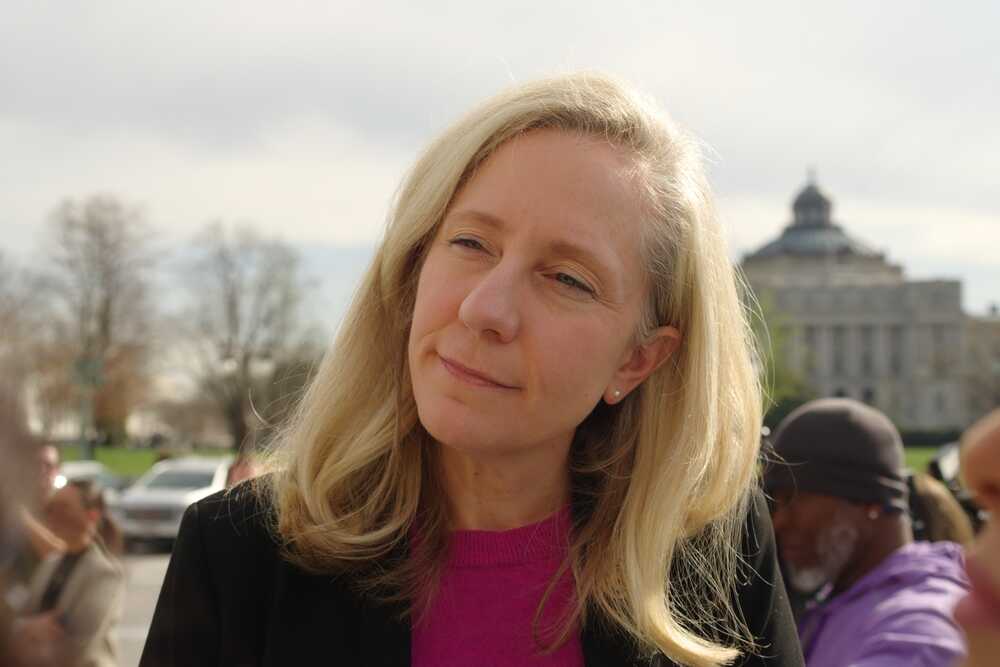
Virginia Governor Abigail Spanberger’s approval rating has cratered to a near-even 47/46 split just months after her landslide victory, marking the worst early-term rating for any governor since 1994 and signaling deep voter frustration with Democratic governance.
Story Snapshot
- New Washington Post-GMU poll shows Spanberger at 47% approval, 46% disapproval among 1,101 registered voters—a double-digit plunge from her 53/39 honeymoon highs.
- Key voter concerns: affordability, immigration, taxes, and backlash against proposed gerrymandering and mid-decade redistricting.
- Record-low net approval 13 points below historical Post averages, worse than ex-Gov. Youngkin’s end-term numbers.
- Partisan divides sharpen: Democrats support her, but Republicans strongly disapprove at 38% intensity.
- Exposes Virginia’s purple volatility amid national trends of distrust in elite-driven politics.
Poll Reveals Rapid Decline
The Washington Post–George Mason University Schar School poll, conducted March 26-31, 2026, captured Gov. Abigail Spanberger’s approval at 47% with 46% disapproval among 1,101 registered Virginia voters. This near-split represents a sharp double-digit drop from January-February polls showing 53% approval and 39% disapproval. Spanberger won her November 2025 election by 15 points in a deep blue wave, but her post-inauguration honeymoon ended abruptly two months into her single four-year term.
Voter Backlash on Core Issues
Virginians cite affordability, immigration, and taxes as top concerns driving disapproval. A February Roanoke College poll showed 8-point opposition to mid-decade redistricting, a debate that intensified early 2026. Northern Virginia suburbs, key to her victory, express frustration over these economic pressures mirroring national inflation woes from past fiscal mismanagement. Immigration worries amplify social tensions, resonating with Americans on both sides weary of federal failures.
Spanberger’s bipartisan House brand from VA-7 now faces tests. Conservatives view her redistricting push as Democratic overreach, undermining fair representation and individual liberty principles. This early stumble weakens her agenda, stalling legislative priorities in Virginia’s purple battleground.
Historical Context and Comparisons
Spanberger’s 47/46 rating trails ex-Gov. Glenn Youngkin’s end-term 50/46 by a wide margin and sits 13 points below the historical Post early-term average since 1994. Youngkin defeated Terry McAuliffe by 2 points in 2021 and maintained stronger approval through challenges. No prior early-term governor matched this high disapproval level, highlighting Spanberger’s unique vulnerability despite her 10-11 point pre-election leads over Winsome Earle-Sears.
Partisan gaps dominate: Democrats back her strongly, while 38% of Republicans strongly disapprove. This polarization echoes broader American distrust in government elites prioritizing power over people, a sentiment uniting frustrated conservatives and liberals alike.
Implications for Virginia and Beyond
Short-term, Spanberger’s weakened position boosts GOP morale and stalls her redistricting efforts, deepening divides in the 2026 off-year legislature focus. Long-term, Virginia’s volatility as a national bellwether could preview 2029 dynamics and Democratic strategies in purple states. Voters across ideologies decry self-serving politics blocking the American Dream of hard work and initiative.
Economic voter angst over taxes and affordability hinders budget battles, while immigration focus heightens social strains. This poll underscores shared realities: federal and state governments often serve the powerful deep state over everyday citizens, departing from founding principles of limited government and accountability.
Sources:
Virginia Gov. Abigail Spanberger’s approval rating drop in GMU, Washington Post poll
New poll reveals Spanberger’s popularity is plummeting amid backlash over gerrymandering
Abigail Spanberger support craters in new poll
Spanberger faces mixed reviews in latest Virginia poll
New polling on Spanberger, redistricting and guns
Virginia 2025: Spanberger leads