
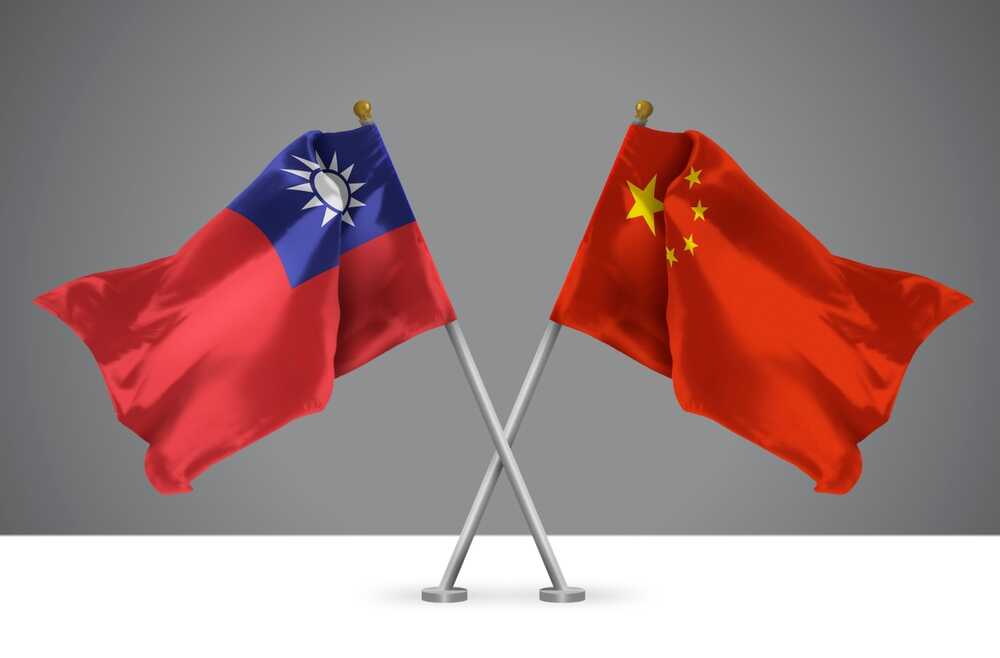
China’s latest move to place bounties on Taiwanese social media voices exposes the growing threat of authoritarian overreach—and highlights why vigilant American leadership is urgently needed to defend free speech and constitutional values at home and abroad. On November 13, 2025, Chinese police announced bounties of up to $35,000 for information leading to the arrest of Taiwanese influencers, accusing them of “anti-China” online activity. This unprecedented move signals a dangerous escalation in Beijing’s campaign to silence dissent, serving as a sobering example of what can happen when state power goes unchecked.
Story Snapshot
- Chinese authorities place bounties on Taiwanese influencers, escalating cross-strait tensions over online speech.
- The crackdown reveals the dangers of unchecked government power and censorship—principles opposed by the U.S. Constitution.
- Trump’s administration stands in stark contrast, prioritizing national sovereignty and individual freedoms amid global pressures.
- Conservative Americans remain watchful against similar government overreach and threats to foundational values.
Chinese Bounties Target Free Speech and Escalate Regional Tensions
On November 13, 2025, Chinese police announced bounties of up to $35,000 for information leading to the arrest of Taiwanese influencers Wen Tzu-yu and Chen Po-yuan, accusing them of “anti-China” online activity. This unprecedented move signals a dangerous escalation in Beijing’s campaign to silence dissent, not only within its borders but across international lines. Many see this as a direct attack on free expression and a warning to others who dare challenge the Chinese Communist Party’s narratives.
Some fascinating news about transnational repression against media personalities in #Taiwan.
Hopefully this will lead to a Streisand Effect!
—
“Chinese police have offered bounties of more than $53,000 for help arresting Taiwanese influencers Wen Tzu-yu and Chen Po-yuan on… pic.twitter.com/dJj7WxVDAW
— William Nee (@williamnee) November 15, 2025
Authoritarian Overreach Abroad—A Stark Reminder for Americans
The Chinese government’s actions serve as a sobering example of what can happen when state power goes unchecked. By criminalizing dissenting voices and offering cash incentives for their capture, Beijing demonstrates the perils of government overreach and state-sponsored censorship. In contrast, the U.S. Constitution enshrines fundamental rights—like free speech and protection from arbitrary government action—that are increasingly under attack in other parts of the world. These developments overseas alert American patriots to the importance of safeguarding liberties at home.
Upholding American Values in an Era of Rising Global Authoritarianism
With President Trump back in office, the administration has taken a clear stance: defending American sovereignty, constitutional rights, and individual freedoms remains paramount. Recent executive actions have focused on securing borders and upholding the rule of law, rejecting the globalist tendencies and appeasement strategies of the previous administration. These policies resonate powerfully with Americans who demand limited government and a robust defense of traditional values in the face of growing international threats.
Lessons for U.S. Policy—Resisting Censorship and Protecting Freedoms
The situation in China and Taiwan underscores why vigilance is necessary to prevent similar erosions of liberty on American soil. While foreign regimes clamp down on dissent, American conservatives recognize the need to oppose any domestic policy that undermines First Amendment rights, enables censorship, or expands government surveillance. The contrast between authoritarian crackdowns abroad and renewed constitutional protections under the current administration is stark. It serves as a call to action for all who value freedom, due process, and the American way of life.
The police in Quanzhou, East China's Fujian province, issued a notice offering a bounty for clues on the criminal activities of two #Taiwan online influencers — Wen Tzu-yu, known as Pa Chiung, and Chen Po-yuan, a rapper known as Minnan Wolf — who are accused of splitting the… pic.twitter.com/3BACPfgir6
— China Daily (@ChinaDaily) November 13, 2025
Sources:
Beijing Puts $35,000 Bounty On Taiwanese Influencers Over ‘Anti-China’ Posts
China issues wanted notice for two Taiwanese influencers for ‘separatism’ | Reuters