
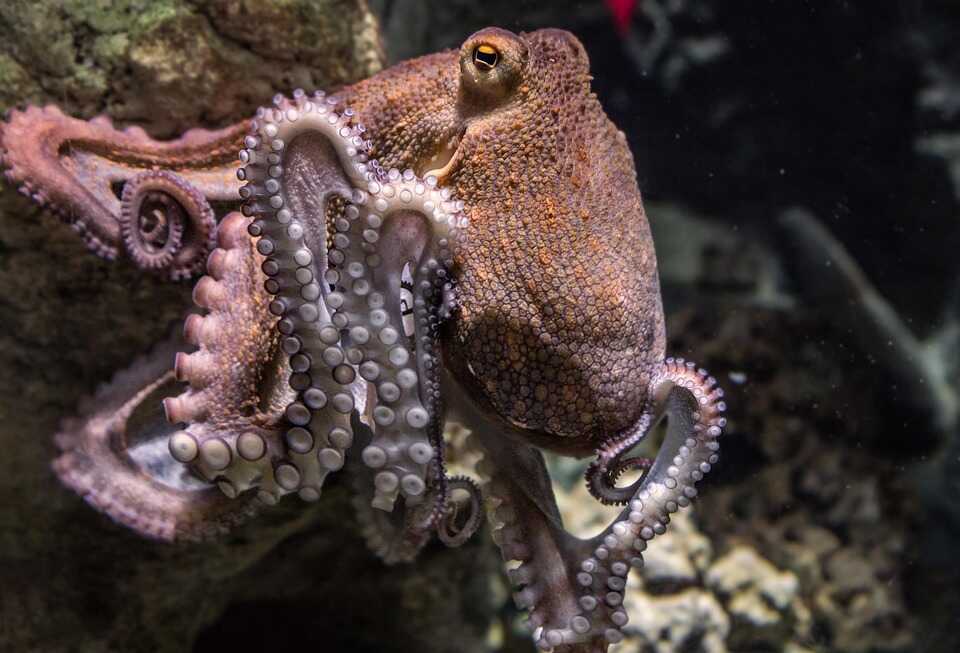
A colossal bronze octopus is drawing crowds and healing old wounds in Boston’s Charlestown, proving that local pride and values still carry weight.
At a Glance
- The world’s largest octopus sculpture spans 36 feet in Charlestown
- Three-piece bronze installation titled Bridge of Joy runs until July 2027
- Project led by Navy Yard Garden & Art in partnership with local groups
- Initiative aims to reverse community division caused by federal infrastructure
- Funded entirely through private donations and grassroots support
Massive Art, Deeper Message
The Bridge of Joy exhibition is transforming Charlestown’s under-bridge sprawl into a landmark destination with three monumental bronze sculptures by renowned duo Gillie and Marc. The installation, unveiled on August 1, 2025, is anchored by a 36-foot octopus—the largest of its kind in the world—flanked by equally commanding hippo sculptures.
Watch now: Bridge of Joy Grand Opening
Strategically placed beneath the Tobin Bridge, the sculptures reclaim a space long seen as a scar on the community. Once divided by mid-century infrastructure projects, Charlestown is now becoming a case study in how art, backed by local willpower and private funds, can physically and symbolically mend broken neighborhoods.
Grassroots Over Government
The initiative was born not in government offices but community halls and schoolrooms. Spearheaded by Navy Yard Garden & Art and supported by groups such as the Artists’ Group of Charlestown and the Charlestown Trauma Team, the project was designed with deep local input.
Rather than relying on federal revitalization funds, organizers leaned on volunteerism, private donations, and community-based decision-making. The approach echoes traditional values of bottom-up change, emphasizing that real solutions stem from neighborhoods, not bureaucracies. Harvard-Kent School’s involvement in the design and planning process ensured that even Charlestown’s youngest residents had a voice, reinforcing the exhibition’s cross-generational appeal.
Economic Boom Without Taxpayer Baggage
Unlike public works that often carry hefty price tags, Bridge of Joy was executed without drawing on public funds. Every bronze curve and sculpted detail was paid for through private philanthropy and local sponsorships. The result? A tourism surge already boosting nearby businesses—from cafes and gift shops to local lodging.
Projected to run through July 2027, the exhibition is expected to provide continuous revenue for Charlestown’s economy while showcasing how private capital can outpace government-led initiatives in both speed and effectiveness. The project’s financial independence aligns with fiscal conservative principles, demonstrating how civic pride and entrepreneurship can deliver public goods more efficiently than federal grants.
Sculpting Shared Values
Beyond economics and urban renewal, the exhibition’s cultural messaging underscores family, unity, and joy—values often sidelined in contemporary public art. The sculptures are designed not just to be viewed, but interacted with, fostering a sense of shared experience and civic engagement.
Instead of promoting contentious political narratives, Bridge of Joy draws on timeless symbols and Charlestown’s colonial heritage. Families are encouraged to explore the installation together, reconnecting with each other and their neighborhood. Educational programming linked to the exhibition also reinforces these traditional values, positioning art as a unifier rather than a wedge.
Sources
Charlestown Bridge
Navy Yard Garden & Art
Boston Waterfront Coalition