

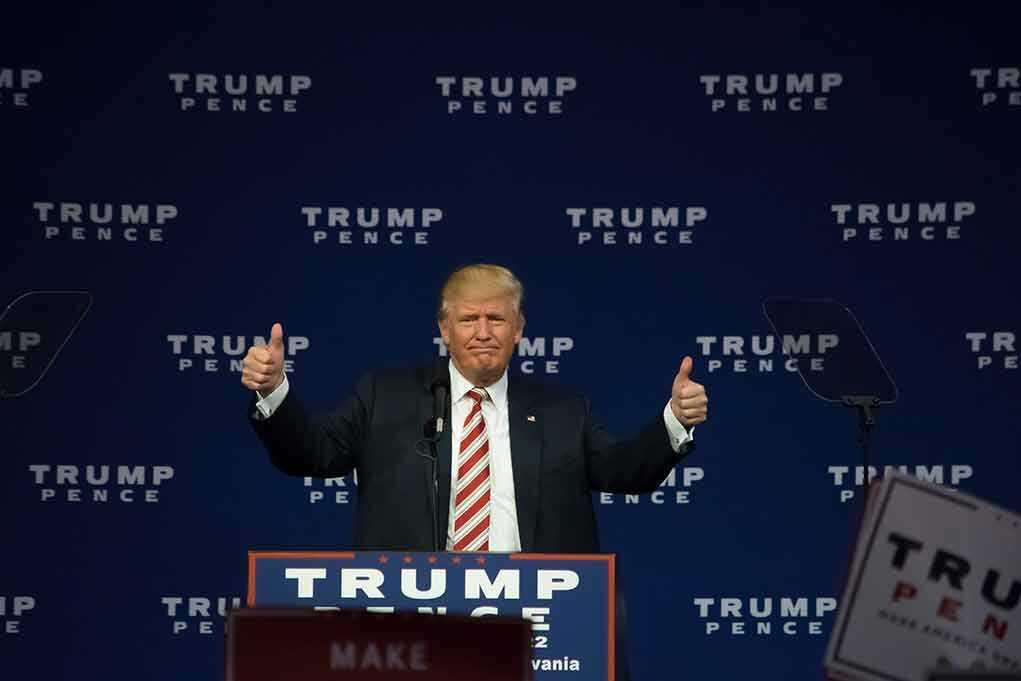
President Trump paused the planned 50% tariffs on Canadian goods for three days after announcing a deal awaiting final paperwork.
Story Highlights
- Trump halted the 50% Canada tariffs for three days, citing a deal in principle.
- The pause averted tariffs that were set to begin just after midnight on Wednesday.
- The original tariff plan covered about $20 billion in imports, according to reporting.
- The White House earlier detailed the legal basis and 30-day clock for the tariffs.
Trump Announces Three-Day Pause After Last-Minute Deal
President Trump said late Tuesday he paused 50% tariffs on Canadian goods for three days because the United States and Canada have a deal, pending final documents. He made the announcement hours before the tariffs were due at 12:01 a.m. Eastern time, preventing the duties from taking effect on schedule. Multiple outlets reported the same quote and the same short window, underscoring that the pause is real and immediate, though tied to final paperwork.
CNN reported the delay avoided tariffs on about $20 billion in Canadian imports that would have hit at the deadline. Reuters also framed the move as a direct, time-limited pause of the new 50% duties that had been slated to start Wednesday. The president’s message, echoed across major wires, placed the focus on sealing a written accord within the three-day window. That tight timeline adds pressure on negotiators to convert the deal-in-principle into signed terms.
What Was Scheduled And Why It Matters For U.S. Families
The White House’s July fact sheet said President Trump signed three proclamations under Section 338 of the Tariff Act of 1930 to add 50% tariffs on certain Canadian goods. It set the tariffs to take effect 30 days after signing, aiming to offset harms from Canadian discrimination against U.S. commerce. Reuters’ July coverage matched that schedule and marked August 19 as the start date. That clock explains why companies and shoppers were bracing for price moves this week.
Households care because tariffs affect what they pay and what they earn. Higher duties can shift sourcing back to American suppliers and strengthen industrial towns. They can also raise near-term prices if importers pass along costs. A pause buys time to lock in a clearer deal and avoid sudden shocks. It also preserves leverage. Canada knows the 50% rate still sits on the table if it stalls. That balance supports strong bargaining while protecting families from whiplash this week.
Leverage, Certainty, And The Three-Day Clock
Negotiators often use firm deadlines to force choices. A last-minute pause keeps pressure high but avoids immediate harm to businesses preparing shipments. Research and market history show that tariff threats and policy uncertainty can slow trade and investment even before any duty is collected. That is why a defined, short pause can help calm markets while talks finish, without giving up U.S. leverage at the border. The president’s three-day window does exactly that in simple terms.
Some coverage differs on the exact list of targeted goods, and officials have not published a single, itemized basket in the materials available here. But the legal basis, the 30-day clock, and the planned Wednesday start are all documented. One practical note remains: the president described the deal as subject to final documents. That means the pause is real today, and the final terms should follow in writing for customs officials and businesses to implement cleanly.
What To Watch Next For U.S. Workers And Producers
Watch for a signed memorandum or proclamation that lays out the commitments and any staging. Look for Customs and Border Protection guidance that tells ports how to treat entries if the pause expires. Also track any Canadian statement that aligns with the White House text. For U.S. steel, auto parts, lumber, and farming communities, the goal is simple: fair access, no carve-outs that undercut jobs, and a rules-based plan that can be enforced at the docks and on Main Street.
Sources:
aljazeera.com, finance.yahoo.com, reuters.com, cnn.com, bbc.com, insidetrade.com, english.news.cn, bloomberg.com