
Qatar’s sudden decision to launch F-15s in defense of U.S. forces shows Iran’s drone-and-missile war is forcing Gulf “neutrality” to collapse in real time.
Story Snapshot
- Qatar’s Defense Ministry said its air force scrambled F-15s to repel Iranian drones and cruise missiles aimed at U.S.-linked targets.
- The action marks a notable shift from earlier Gulf hesitation to openly support U.S. operations due to fears of Iranian retaliation.
- Regional air defenses across the Gulf have faced dangerous confusion, including a reported friendly-fire incident involving U.S. aircraft.
- Explosions reported over Doha and other hubs appear tied to interceptions and falling debris, disrupting travel and raising civilian risk.
Qatar’s F-15 Response Signals a Clear Break From “Sitting It Out”
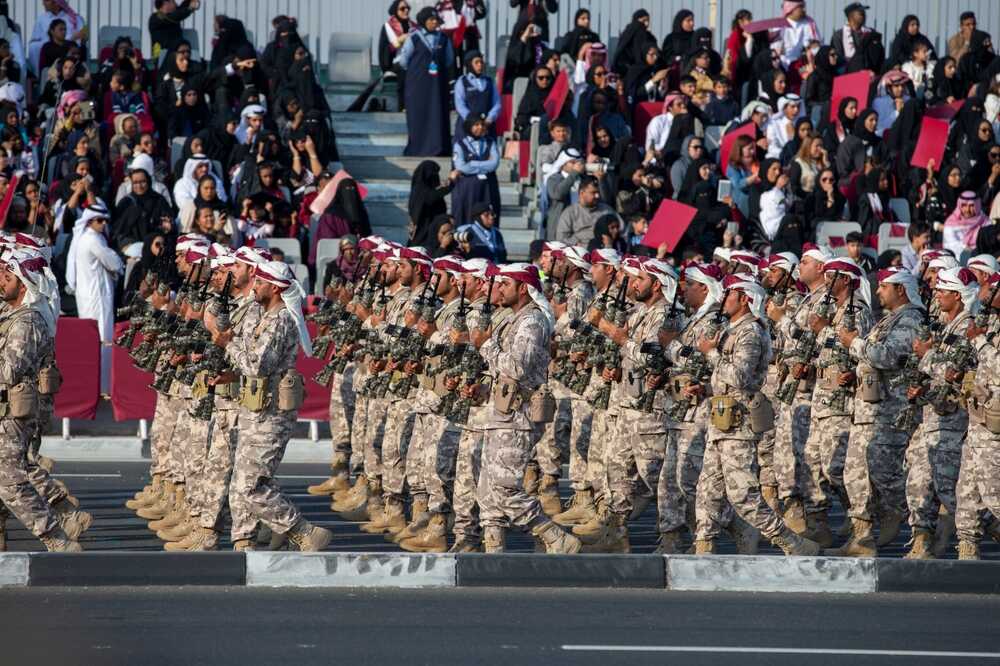
Qatar’s Defense Ministry said Qatari fighters repelled Iranian aerial attacks involving drones and cruise missiles, a significant development for a country that has often tried to balance relationships across the region. The reporting emphasizes that Qatar’s response helped protect U.S. positions during Iran’s retaliation cycle. What remains disputed is the popular claim that Qatar “downed jets”; the more consistently supported detail is interceptions of drones and missiles.
The distinction matters because inflated claims can distort public understanding of what actually happened and what escalation would look like next. The strongest sourced descriptions focus on Qatar scrambling F-15 squadrons and intercepting incoming threats, not confirmed air-to-air kills against Iranian manned fighters. In a fast-moving conflict, careful language is a form of accountability—especially when misstatements can drive panic, policy errors, or demands for broader U.S. involvement.
The U.S.-Iran Spiral Accelerated After Late-February Strikes and Retaliation
U.S.-Iran tensions escalated into a major regional military posture after a late-January buildup, followed by late-February strikes that triggered Iranian retaliation across partner states and key infrastructure corridors. Public reporting describes drones and missiles crossing contested airspace, with naval and air assets positioned to protect U.S. personnel and bases. That context explains why Gulf capitals are being pulled from diplomatic hedging toward direct air defense cooperation, even if reluctantly.
Regional defense operations have also shown the risks of crowded skies and split-second decisions. One live-updated report described a friendly-fire episode in Kuwait involving U.S. aircraft, underscoring that even allied defenses can misidentify targets under stress. For everyday Americans, the takeaway is simple: the same chaos that drives disruptions in global shipping and energy markets can also cause avoidable losses when command-and-control breaks down during saturation attacks.
Explosions Over Doha Highlight the Civilian Side of Modern Missile Defense
Reports of explosions over Doha align with what residents across the region have experienced during large interception events: loud blasts from air defense engagements and the secondary danger of debris. When drones and cruise missiles are intercepted over or near populated areas, the “successful” outcome can still mean falling fragments and emergency closures. Those disruptions can cascade quickly, especially when major airports and flight corridors pause operations amid uncertain threat tracking.
Why This Matters to Americans Watching Washington’s Next Moves
The immediate stakes center on protecting U.S. forces and deterring further attacks, but the broader implications include energy shocks, aviation disruption, and pressure on allies to pick sides publicly. Qatar’s move strengthens operational defense of U.S.-linked assets and suggests Tehran’s strategy is producing the opposite of what “intimidation diplomacy” seeks—more visible alignment against incoming strikes. At the same time, available reporting leaves gaps on coordination details and confirmed kill claims, limiting definitive conclusions.
Americans who value limited government and clear constitutional priorities should also watch how crisis narratives are used at home. Foreign escalations often become excuses for rushed spending, opaque security decisions, and messaging campaigns that punish dissent rather than demand verifiable facts. The best safeguard is insisting on accurate public accounting—what was intercepted, where, by whom, and with what confirmed results—before Washington commits resources or expands authorities in ways that outlast the crisis.
Sources:
Iran-US war day 3 live updates: American deaths; Israel, Gulf allies hit missile strikes