

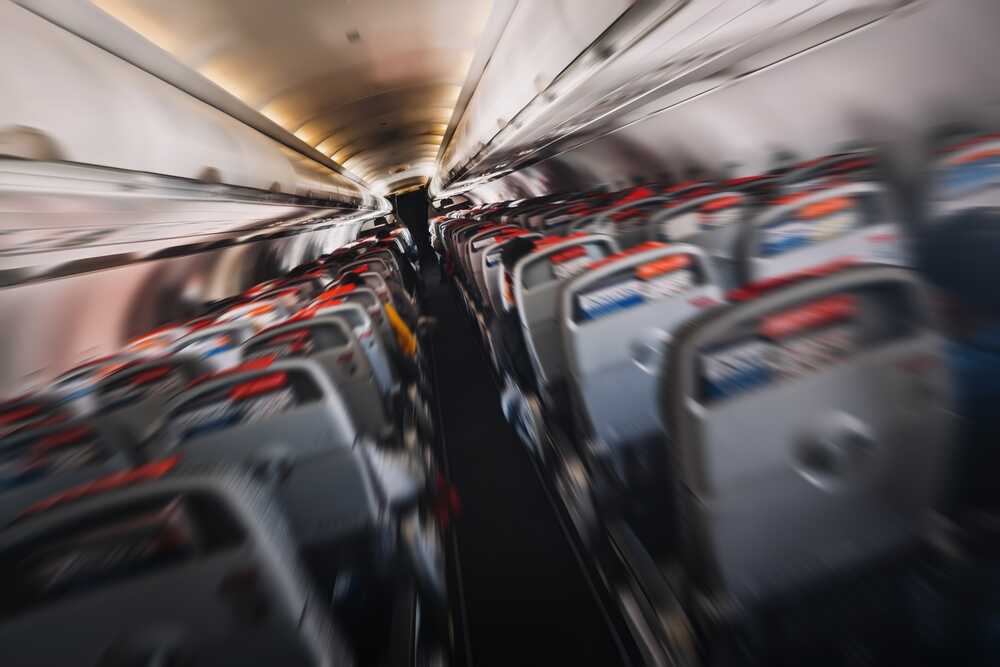
A Delta Air Lines flight from Salt Lake City to Amsterdam suffered major turbulence mid‑flight, forcing an emergency diversion to Minneapolis‑Saint Paul and sending 25 people to hospitals.
At a Glance
- Delta Air Lines Flight DL56 diverted to Minneapolis–Saint Paul International after encountering severe turbulence.
- The Airbus A330‑900 carried 275 passengers and 13 crew members when the incident occurred.
- Emergency responders met the aircraft on the ground; 25 individuals received medical evaluation and treatment.
- Eyewitnesses reported food carts and passengers being violently thrown when seat belts were not fastened.
- Aviation experts warn that such turbulence events may be on the rise due to climate‑driven jet stream shifts.
Flight Under Attack
Delta Flight DL56 left Salt Lake City for Amsterdam on July 30, 2025, when turbulence struck roughly 40 minutes into the flight at around 37,000 ft over Wyoming. The aircraft abruptly dropped approximately 2,300 feet after initially climbing—causing chaos in the cabin as unbelted passengers and food carts were swept upward or thrown across aisles. With 275 passengers and 13 crew onboard, the pilots declared an emergency and diverted to Minneapolis–Saint Paul International Airport, where the plane landed safely at about 7:45 p.m. local time.
Watch: 25 People Hospitalized After Severe Turbulence on Delta Flight · YouTube
Upon landing, airport fire services and paramedics were waiting on the tarmac. Twenty‑five people were transported to local hospitals for evaluation and care. Delta stated that its “Care Team” is actively assisting those affected, emphasizing that passenger safety remains its top priority.
Climate Crisis Meets Aviation
While turbulence-related injuries remain relatively rare when considering the millions of flights taken each year, scientists have noted an alarming and significant uptick in incidents of extreme clear-air turbulence. A comprehensive study conducted in 2023 revealed that turbulence in the North Atlantic has surged by as much as 55% between the years 1979 and 2020. This increase has been closely linked to climate-induced instability in the jet stream, which is influenced by global warming and changes in weather patterns.
The Federal Aviation Administration (FAA) has reported that turbulence is currently the leading cause of in-flight injuries among airline passengers and crews under U.S. regulations. This highlights the importance of understanding and addressing turbulence—a factor that can dramatically affect flight safety and passenger well-being. As climate change continues to evolve, ongoing research and monitoring will be essential to mitigate the risks associated with turbulence in the future.
The wreckage-free yet violent incident echoes a deadly May 2024 turbulence case aboard a Singapore Airlines flight, which saw one passenger killed—the first turbulence fatality on a major airline in decades. Aviation insiders now fear they may be witnessing a new era of airborne volatility.