

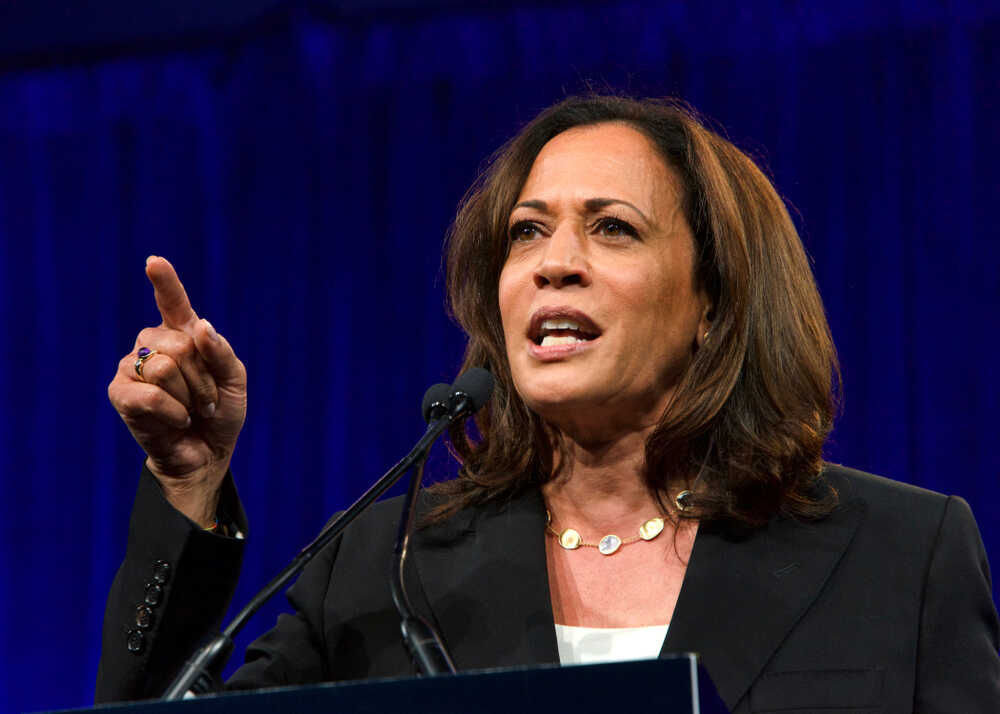
Kamala Harris’s explosive new memoir has unleashed bitter recriminations within the Democratic Party, reviving internal divisions after its 2024 election defeat.
At a Glance
- Harris’s memoir 107 Days criticizes Biden’s decision to run in 2024
- She alleges Biden’s staff actively undermined her vice presidency
- Biden’s aides dismiss claims as reckless and self-serving
- Analysts warn the controversy could destabilize Democrats ahead of 2026 and 2028
Harris’s Sharp Rebuke of Biden
In 107 Days, Kamala Harris delivers one of the most pointed critiques of a former president by his own vice president in modern U.S. politics. Harris calls Biden’s 2024 reelection bid “recklessness,” claiming it reflected his personal ambitions rather than the Democratic Party’s long-term interests. She alleges that Biden’s inner circle not only sidelined her during the campaign but also worked against her throughout her tenure as vice president.
Watch now: Kamala Harris Memoir Sparks Democratic Divide
The accusations sparked immediate backlash from Biden’s former aides, who dismissed her claims as unfounded. They argued Harris’s failure in 2024 was rooted in her inability to galvanize voters with a compelling vision, not sabotage by Biden or his staff. The exchange has amplified longstanding debates about Democratic leadership, intensifying scrutiny over the party’s direction.
Party in Turmoil
The Democratic Party, still reeling from the 2024 defeat, now faces fresh turbulence. Harris’s memoir reopens old wounds, raising questions about unity, succession planning, and leadership strategy. Political historian Julian Zelizer notes that while rare, it is not unprecedented for a vice president to openly challenge a president of the same party. But Harris’s criticism lands at a particularly fragile moment, with the party searching for a new identity.
Harris’s claims also rekindled public debates about Biden’s age and decision-making capacity, though some scholars argue her struggles were more shaped by sexism and racism. Christina Greer of Fordham University contends that the challenges Harris faced extended far beyond Biden’s shadow, suggesting the book’s focus may oversimplify complex dynamics. Regardless, the fallout underscores fissures in the party’s ranks that could hinder its ability to mount a unified electoral strategy.
Implications for the Future
Analysts caution that the controversy could shape Democratic politics for years to come. Amy Walter of the Cook Political Report suggests the memoir’s release risks deepening divisions in the short term while forcing difficult questions about leadership succession in the long term. With the 2026 midterms approaching, strategists fear the rift could distract from policy messaging and erode party cohesion.
Some commentators, including Jonathan Martin of Politico, argue the crisis could serve as a wake-up call, prompting overdue reforms in leadership structures and candidate pipelines. Yet party officials remain wary: while Harris’s revelations spotlight persistent challenges, the public airing of internal disputes could alienate supporters and embolden political opponents. As the memoir dominates headlines, Democrats confront the dual challenge of addressing deep-seated fractures while maintaining a viable path toward the 2028 presidential race.