
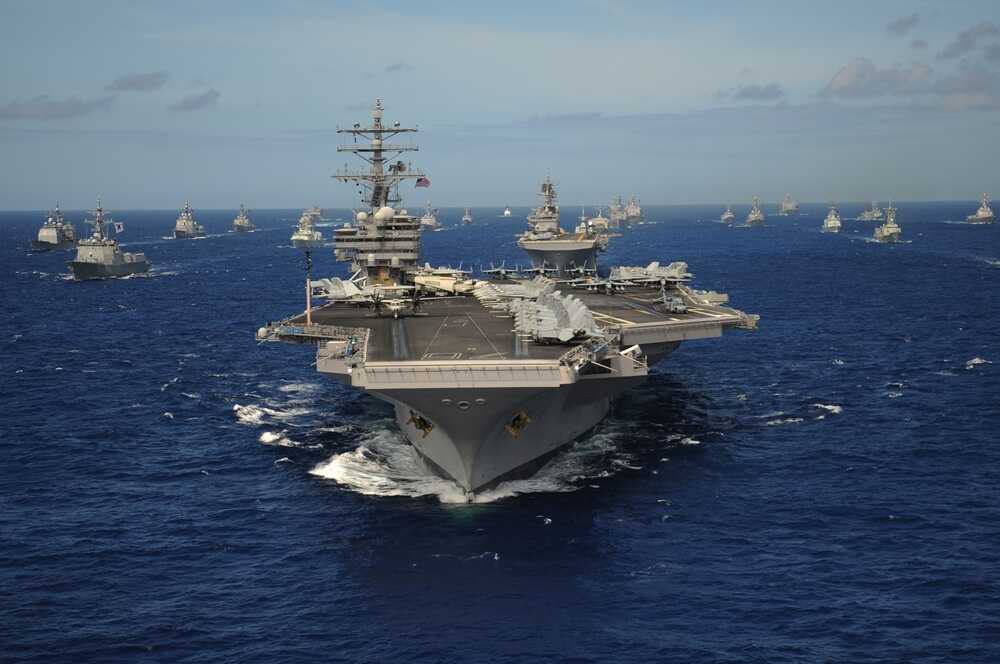
The arrival of a US Navy ship, the USS Gravely (DDG-107), in Trinidad and Tobago has led to a diplomatic dispute with Venezuela, potentially impacting existing energy agreements between Venezuela and Trinidad and Tobago.
Story Highlights
- The USS Gravely’s presence in Trinidad and Tobago has prompted Venezuela to consider canceling energy deals.
- The US military has increased its presence in the region for anti-narcotics operations.
- Diplomatic tensions have increased between Venezuela and Trinidad and Tobago.
- Concerns have been raised regarding the potential for escalation due to the US military buildup.
The USS Gravely, a US Navy guided-missile destroyer, recently arrived in Trinidad and Tobago, initiating a diplomatic disagreement with Venezuela. This deployment is part of a broader US strategy aimed at addressing drug trafficking and governance concerns in Venezuela.
The USS Gravely (DDG-107) will visit Trinidad and Tobago from October 26 to 30, mooring in Port of Spain, while the 22nd U.S. Marine Expeditionary Unit will train alongside the Trinidad and Tobago Defense Force (TTDF) during the same week. The U.S. military services’ presence in… pic.twitter.com/PPNNFW5wFj
— U.S. Embassy Port of Spain (@USinTT) October 24, 2025
Venezuelan officials have described Trinidad and Tobago’s cooperation with the US as a “hostile act.” In response, Venezuela’s Vice President Delcy Rodriguez has indicated that Venezuela may cancel a 2015 energy agreement with Trinidad. This agreement is significant for both nations’ economies, involving joint natural gas exploration in shared waters. Its dissolution could affect regional energy dynamics.
The deployment of US naval assets, including an aircraft carrier, warships, and fighter jets, is intended to counter drug trafficking networks. Since September 2025, the US has conducted at least ten operations against suspected drug vessels, which have resulted in fatalities. The US characterizes these actions as necessary anti-narcotics operations.
Trinidad and Tobago, located approximately seven miles from Venezuela, is a key partner for US operations. The government of Trinidad and Tobago is managing its economic ties with Venezuela alongside its support for US security initiatives. This situation could affect Trinidad’s diplomatic relationships in the Caribbean.
The potential cancellation of energy agreements presents economic risks, including possible disruptions in natural gas supplies and impacts on energy revenues and employment for both countries.
In the long term, this situation may lead to shifts in regional alliances, as some Caribbean nations may reevaluate their participation in US-led security initiatives. The increased military presence in the southern Caribbean could continue, raising broader questions about regional stability and the balance of power in the Western Hemisphere.
Watch the report: Venezuela Explodes After USS Gravely Docks In Trinidad | Trump Vs Maduro | Military Exercise | 4K
Source:
- Military.com, “Venezuela Moves to Cancel Energy Agreements With Trinidad After US Warship Arrives Island Nation,” Oct 27, 2025.
- US warship arrives in Trinidad and Tobago, near Venezuela | Military News | Al Jazeera
- U.S. warship docks in Trinidad and Tobago, putting more pressure on Venezuela