
Singapore has banned British band Massive Attack after two members raised a Palestinian flag on stage, showing how far some governments will go to shut down political speech that offends their rules and their view of “harmony.”
Story Snapshot
- Two Massive Attack members unfurled a Palestinian flag and shouted “Free Palestine” at a July 29 concert in Singapore.
- Singapore police issued stern warnings under laws controlling foreign flags and public order, then banned the duo from re‑entering the country.
- The media regulator said the concert license barred flag displays tied to causes and will not approve future shows by the band.
- Singapore defends strict controls on foreign symbols and protest, claiming it protects racial and religious “harmony” amid the Israel–Hamas conflict.
What Singapore Did To Massive Attack And Why It Matters
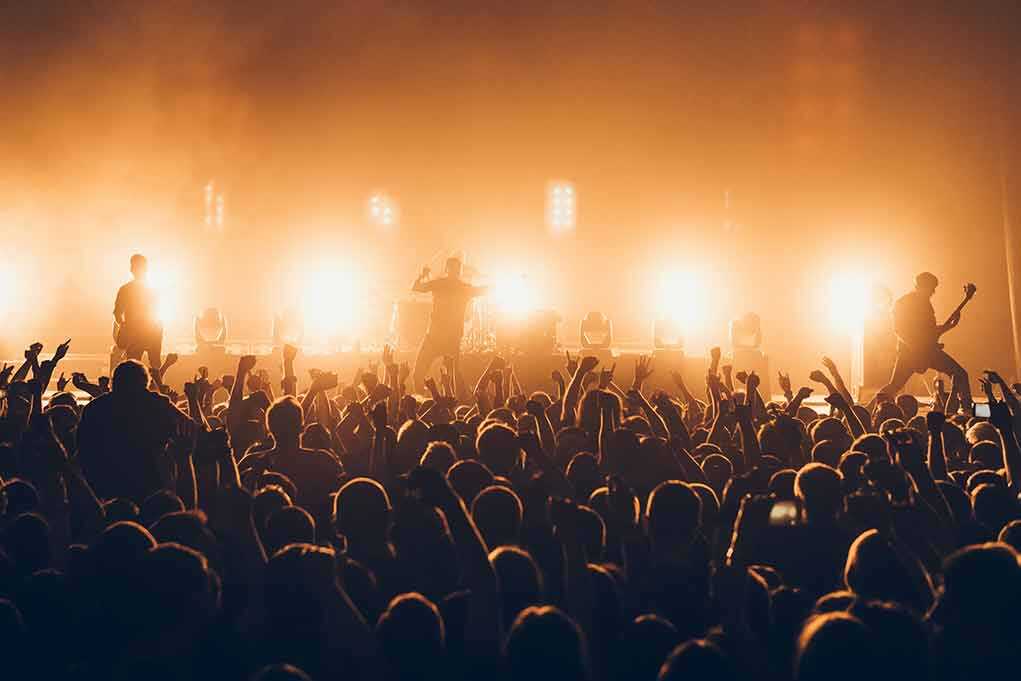
Singapore police and the Infocomm Media Development Authority said both founding members of Massive Attack were investigated after they displayed a Palestinian flag and voiced support for a political cause during their July 29 show at The Star Theatre. Officers said reports were filed after the musicians raised the flag as the crowd cheered and one shouted “Free Palestine” from the stage. After consulting the Attorney-General’s Chambers, police issued stern warnings under a 1949 law on foreign national emblems and under the Public Order Act.
The joint statement went beyond warnings. Authorities said both men are banned from re‑entering Singapore, and the media regulator will not approve future performance applications for Massive Attack in the city-state. Singapore’s rules do not allow public display of foreign national emblems, such as the Palestinian flag, without a permit or special exemption. Officials argued that the band’s actions crossed clear lines set out in law and in the concert license, and they framed the move as necessary to protect public order and harmony.
The Licensing Rules And The Flag On Stage
The media regulator said the concert organizer had accepted licensing conditions before the show, including rules barring performers from displaying flags tied to any cause. Despite those conditions, the statement says both band members held up a foreign flag during the performance and one shouted “Free Palestine,” leading the audience to join in the chant. Regulators are now investigating possible breaches of several license conditions and will act once that inquiry ends, but they already signaled the band will not be allowed back.
From a conservative, pro-constitution view, this is a striking example of how speech rules overseas can look very different from American norms. In the United States, displaying a flag or chanting about a foreign conflict is generally protected political speech under the First Amendment, even if many citizens dislike the message. In Singapore, speech at a concert is treated as part of a license and a public-order file. That means a single act on stage can trigger immigration bans, criminal warnings, and permanent loss of access to a market.
Singapore’s “Harmony” Argument And The Israel–Hamas Backdrop
Singapore has a long record of tight control on public political expression, especially when foreign symbols and hot-button issues are involved. Reuters notes that the country does not allow public display of foreign national emblems without a permit, and officials say this helps protect racial and religious harmony in a diverse society. In 2023, the Home Affairs Ministry publicly warned against wearing or showing items tied to the Israel–Hamas conflict, calling it an emotional issue and urging people not to inflame tensions with public displays.
Massive Attack respond after Singapore ban over Palestine display https://t.co/cqmZgvyrJz pic.twitter.com/fw3WJq2IEU
— World News (@Worldnews_Media) August 3, 2026
This latest case fits that pattern. Police said they take a “serious view of acts which could potentially harm the racial and religious harmony in Singapore” and urged “the public, including foreigners, to refrain from importing foreign politics.” To many American readers, that phrase should stand out. It shows how a small, wealthy, global city is willing to clamp down on protest and symbolism to keep tight state control, even inside a concert hall. Artists see the stage as a place to speak out; Singapore sees it as a regulated space where the government decides which messages are allowed.
What Massive Attack Says And The Bigger Free-Speech Question
Massive Attack has said they were “surprised and disappointed” by how they were treated after the concert. In a statement, the band described being detained by police, isolated and questioned, with some members facing hotel room searches and temporary passport confiscation. They framed their actions as support for Palestinians and as part of a long pattern of using their shows to highlight political issues, and they objected to the idea that peaceful symbolic speech should lead to bans and investigation.
For American conservatives, this story is a reminder of why constitutional limits on government power matter. When unelected regulators control who can perform, what can be said on stage, and which flags can be shown, free speech quickly becomes a privilege, not a right. Singapore is a foreign ally in trade and security, but its model is closer to technocratic control than to American-style liberty. As global debates over Israel, Palestine, and other flashpoints grow louder, we should expect more clashes between artists’ political messages and governments that want to keep public spaces tightly managed.
Sources:
youtube.com, reuters.com, pitchfork.com, facebook.com