
As Powerball fever grips the nation, scrutiny of the Quick Pick system is reigniting old fears of algorithmic bias and rigged odds.
At a Glance
- Powerball jackpot reaches $1.7 billion after 42 consecutive rollovers.
- Quick Pick randomness questioned by statisticians and analysts.
- Lottery officials insist odds are equal for all ticket methods.
- Quick Pick has produced most jackpot-winning tickets historically.
- Surge in sales raises state revenues and renews calls for transparency.
A Jackpot Grows, and So Does Suspicion
Powerball’s massive $1.7 billion jackpot—the third-largest in U.S. history—has pushed lottery sales to historic highs and triggered a national wave of ticket purchases ahead of the September 6 drawing. After 42 consecutive draws without a jackpot winner, public attention has turned not just to the prize but also to how numbers are selected.
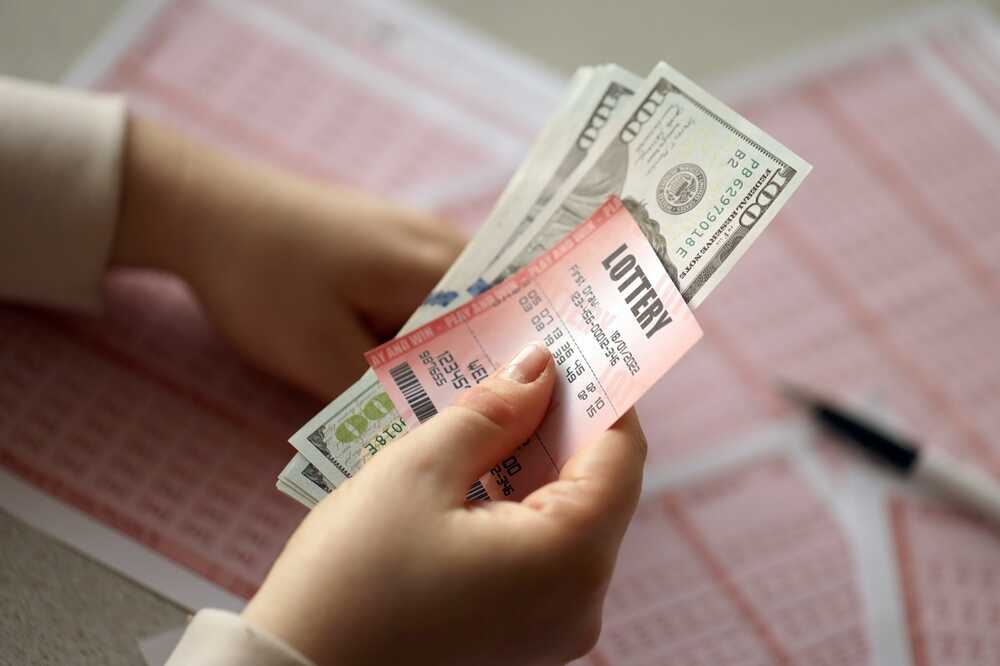
At the center of this growing scrutiny is the Quick Pick option, used by the majority of players to randomly generate their numbers. Although widely regarded as a time-saving feature, its fairness has come under renewed debate. Critics suggest the algorithm behind Quick Pick might introduce subtle patterns or number clustering that could impact randomness. While statistically, the odds remain 1 in 292.2 million regardless of method, the public’s appetite for fairness and transparency grows stronger with the prize pool.
Watch now: Are Quick Picks Really Random?
Experts and Officials Clash on Odds
Lottery officials and statisticians defending the system emphasize that Quick Pick has historically produced the lion’s share of jackpot winners. The Powerball Product Group and various state commissions insist that all ticket selections—whether manual or automatic—carry identical odds.
However, experts like mathematician Jason Kurland argue that with millions of Quick Pick entries, algorithmic repetition becomes statistically possible. While such overlaps don’t inherently reduce winning odds, they could lead to shared jackpots or duplicate combinations. This has prompted some players to revert to hand-picking numbers, believing it offers at least a psychological edge.
Calls are growing for deeper transparency into how Quick Pick algorithms are developed and maintained. Analysts warn that unless confidence in the randomness is restored, public trust could erode, particularly during record-breaking jackpots that draw intense attention and investment from the public.
Jackpot Fever Fuels Record Revenues—and Debate
This runaway jackpot is more than just a financial milestone. It’s generating economic ripples for state-run lotteries and retailers, who benefit from soaring ticket sales and boosted commissions. At the same time, social observers are raising concerns about how lottery fervor can feed unrealistic expectations, especially among vulnerable populations.
With increased national focus, Powerball officials are urging players to check for non-jackpot winnings. In the last drawing alone, 11 tickets matched five white balls to earn $1 million, while four used Power Play to claim $2 million each. These secondary prizes often go unclaimed amidst the fixation on the grand total.
As the country awaits the next drawing, questions remain about whether a winner will emerge—or if the jackpot will continue to rise, prolonging both the dream and the debate.
Sources
Powerball Jackpot Swells to $1.7 Billion; Experts Question Quick Pick Option
Powerball jackpot skyrockets to $1.70 billion for Saturday’s drawing
Powerball jackpot reaches $1.1 billion for Labor Day drawing
Powerball jackpot hits $1.7 billion, third-highest prize ever