

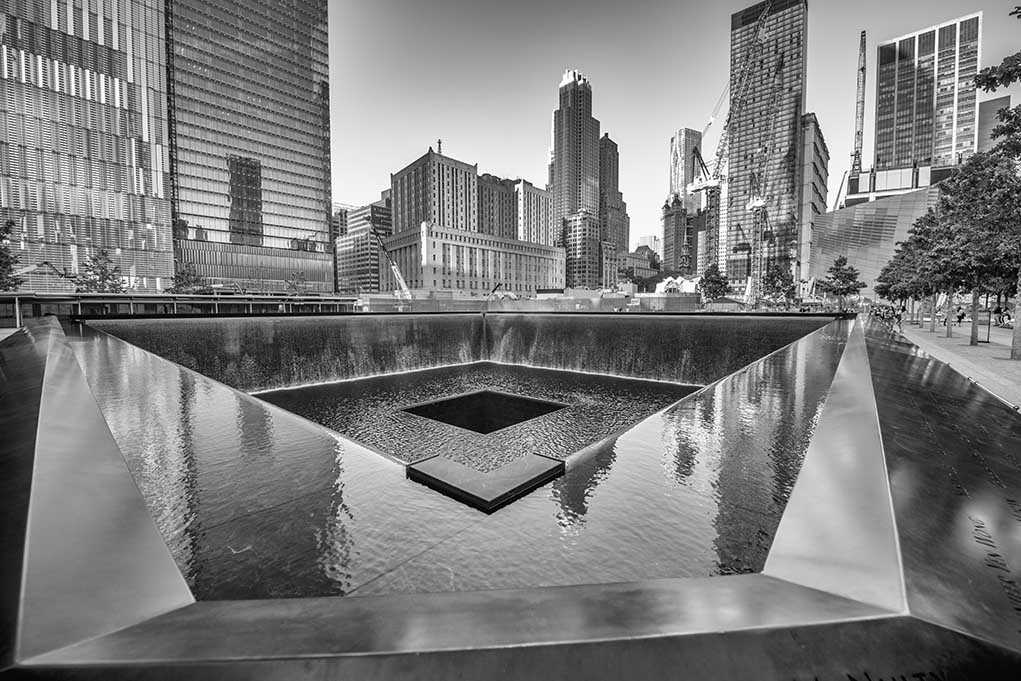
Red paint splashed across engraved names at the 9/11 Memorial turned a sacred site into a billboard for gun restrictions, outraging families and first responders.
Story Highlights
- Police say a gun-regulation activist sprayed “juststopkillingkids.com” across victim names at the North Pool.
- Officers reported more than $2,550 in damage and filed criminal mischief and graffiti charges.
- The 9/11 Memorial called the site a sacred place that was swiftly restored after the defacement.
- Reports do not show any concrete policy tied to the stunt beyond a broad anti-gun message.
What Police And Memorial Officials Say Happened
New York City police and memorial officials said a man sprayed a red message on the 9/11 Memorial’s North Pool around 5 p.m., in clear public view. Reports identified the words as “juststopkillingkids.com,” an anti-gun slogan that also serves as a website address. Police named the suspect as Jonathan Andrew Tijerina and said the paint crossed engraved victim names on bronze panels, turning quiet remembrance into a political display. Officers detained him shortly after the act.
Authorities said the damage exceeded $2,550 and charged Tijerina with criminal mischief and making graffiti. The 9/11 Memorial and Museum called the plaza a sacred place that honors 2,983 victims from the 2001 and 1993 attacks. Memorial staff and law enforcement quickly secured the scene and restored the affected area to its proper state after the paint was removed. No report documented injuries or extended closure, but visitors were disrupted as the site was cleaned.
Why The Method, Not The Message, Drove The Backlash
Coverage focused on the location and the names that were marked, not on any detailed policy point. Reports did not cite a specific bill or clear demand linked to the website or the stunt. That choice of target gave critics a fact-based reason to call it desecration rather than debate its claims. When activists cross into defacing memorials, the act itself becomes the issue. The result here was fast arrest, cleanup, and outrage, but no proven policy effect.
The memorial’s own statement framed the incident as an intrusion on a place set apart for grief and honor, not a normal forum for political speech. That framing matters because it matches how most Americans view memorials—especially Ground Zero. Police statements, video surveillance, and prompt charges shaped the public record before any full defense from the suspect emerged. In that kind of case, the legal process is about damage and conduct, not larger political claims.
What This Means For Respect, Law, And Public Debate
Conservatives see a clear line: you can speak freely without using sacred ground as your canvas. Protecting memorials respects families, first responders, and the promise to never forget. New York police treated this as a crime against property and order, not protected protest. The reported dollar loss, the criminal counts, and the fast cleanup show the system working to defend public spaces and set limits that keep debate civil and decent.
Americans can argue gun policy in many places without dragging the names of the fallen into it. When activists target memorials, they trade persuasion for shock. That may draw clicks, but it hardens hearts and wastes time that should go to real solutions. Here, the message became noise. The names at Ground Zero are not a backdrop for anyone’s campaign. They are loved ones. The right path is simple: honor the site, follow the law, and take policy fights to the proper forum.