
U.S. prosecutors say a Russian intelligence network tried to hire a killer on American soil, and Garry Kasparov says U.S. officials warned him his life is in danger.
Story Highlights
- The Justice Department charged five alleged Russian operatives over global murder-for-hire plots.
- Prosecutors said the network sought to surveil and kill a prominent dissident believed to be in Washington, D.C..
- Kasparov says U.S. and Lithuanian security services warned him to take precautions.
- Reports later linked the unnamed target to Kasparov and Ilya Ponomaryov.
Justice Department Lays Out Alleged Kill Network
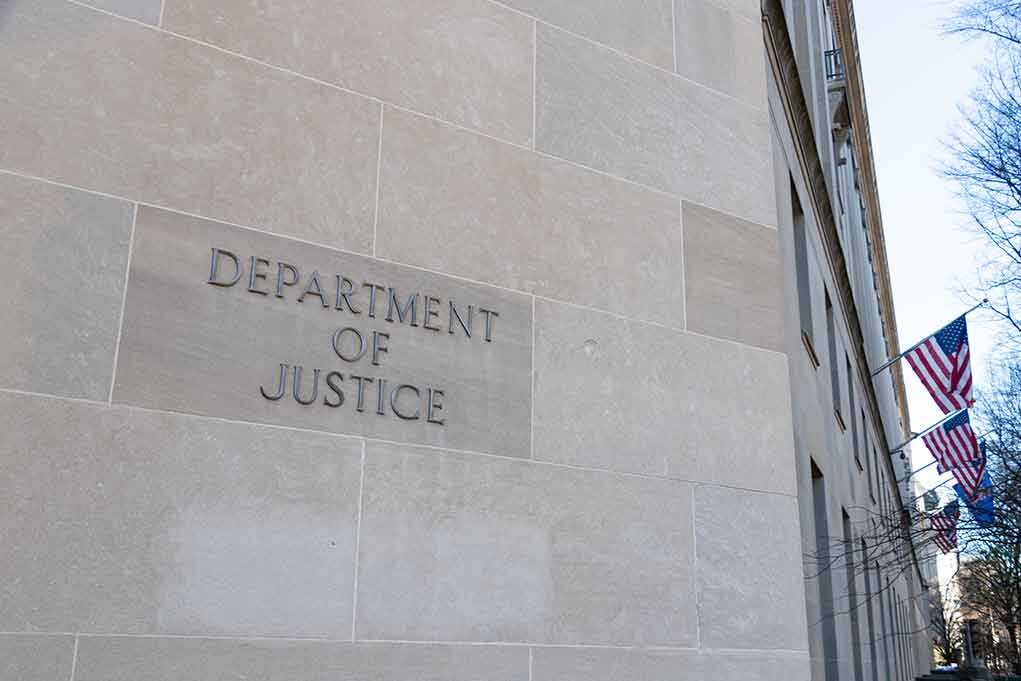
The Department of Justice unsealed charges against five people it says worked with Russian intelligence services to target dissidents and journalists around the world. Prosecutors said the network operated since 2024, used encrypted chats, and pushed payment offers for violence. One recruit in the United States was allegedly offered cash to “eliminate” someone living here. The government framed the effort as a murder-for-hire scheme stretching across borders and aimed at silencing critics.
The criminal filings described a plan to surveil and kill a “prominent Russian dissident” believed to be in Washington, D.C. While the early documents did not name the victim, they laid out steps inside the United States. Reporting said intermediaries even recruited a Venezuelan citizen living in Brooklyn to track and murder the target. The plan showed intent and action, not just talk. Authorities say the plots were directed at Kremlin enemies across multiple countries.
Kasparov Says He Received Security Warnings
After the charges became public, former world chess champion Garry Kasparov said U.S. and Lithuanian officials warned him that his life was in danger. He said he was told to take precautions. He also said he was not explicitly named as the person in the indictment but was advised to be careful. He added that he would not stop his work or go into hiding because of the threat. His account tracks with the timeline after the Justice Department announcement.
Separate reporting linked the unnamed target in the case to Kasparov and to exiled lawmaker Ilya Ponomaryov. That later identification came from media coverage, not the initial filing. The Moscow Times reported that both men were in the network’s sights. The report emphasized the plot’s reach and said it marked an escalation against Russian opposition figures living in the West. This link helped fill in the picture for readers who wanted a name behind the “prominent dissident” label.
What The Indictment Says, And What It Does Not
The Justice Department materials describe an ongoing conspiracy, not a finished attack. The public record shows planning, recruitment, and surveillance steps. It does not, at this stage, include a completed assault. Early filings did not name Kasparov directly. That creates a gap between the court language and later media naming. Some supporting exhibits, like chat logs and payment records, are not public. That limits what the public can verify line by line today.
Prosecutors nonetheless offered concrete claims. They cited encrypted communications, cash offers, and a role for a Brooklyn-based recruit who was allegedly tasked to kill. A news summary quoted the government saying one recruit was promised forty thousand dollars to “eliminate” a person in the United States. That figure signals operational intent beyond vague threats. The case situates these plots within a wider pattern aimed at silencing Kremlin critics abroad, according to the filing and coverage.
Kremlin Denials And The Broader Pattern Of Repression
The Kremlin has said it sees no reason to comment on the U.S. allegations without what it calls credible evidence and facts. Russia has previously denied running assassination plots on foreign soil, including inside the United States. Those denials are expected. Still, human-rights reporting has long described aggressive transnational repression by Moscow, including assassination as a tool against perceived enemies. That background helps explain why U.S. officials took the threat so seriously.
Freedom-minded readers should see the stakes clearly. If foreign agents can shop for hitmen inside our borders, the First Amendment and dissent itself are under attack. President Trump’s team moved to expose and disrupt the network, which is the right approach: name the threat, charge the actors, and protect people living lawfully in our country. The case should proceed in court. In the meantime, officials and targets are right to tighten security while facts continue to surface.
Sources:
zerohedge.com, audacy.com, justice.gov