
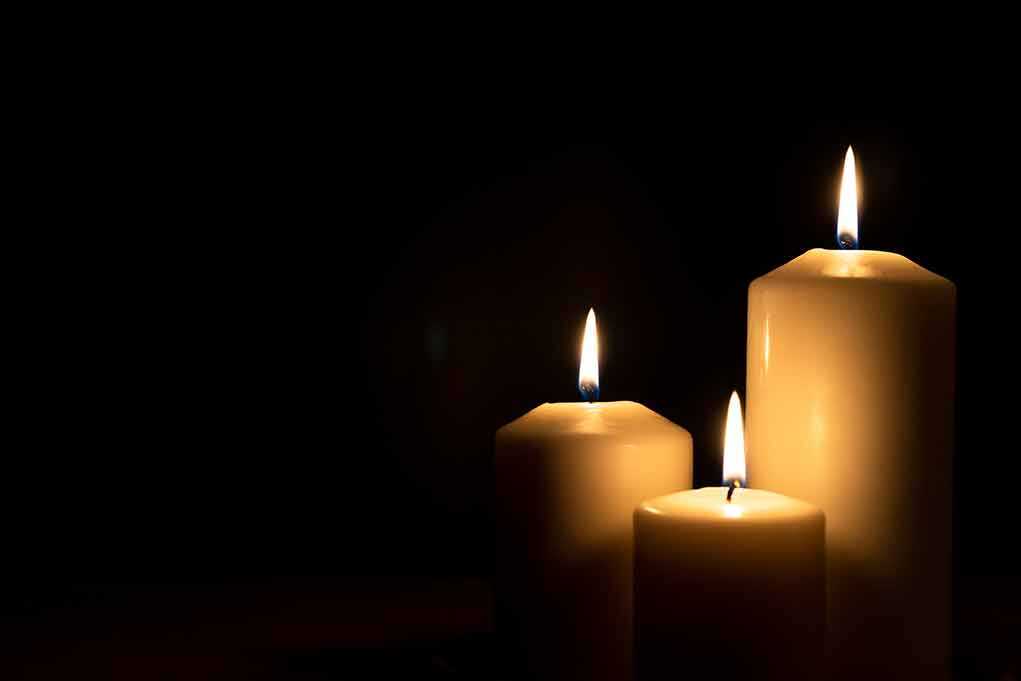
Six people, including four American tourists, were killed when a suspected gas explosion collapsed a building steps from the Acropolis in Athens.
Story Highlights
- Officials reported six dead after a building collapsed in Plaka near the Acropolis.
- U.S. officials said four victims were Americans and tied the blast to a gas explosion.
- Athens’ mayor said the cause was likely a major gas leak amid an active investigation.
- Shops and cars nearby also suffered damage consistent with a powerful blast.
What Happened Near the Acropolis
Greek responders said a two-story residential building in Plaka, just below the Acropolis, collapsed after a morning explosion. Fire crews recovered six bodies during the search. Wire services and broadcasters reported the same death toll after recovery efforts. Officials described the site as a popular tourist area in central Athens, and images showed heavy rubble and crews sifting debris. Reporters on scene described a sudden blast, a collapse, and rescue teams working across the day.
United States officials confirmed that four of the dead were American tourists. A spokesperson said their deaths resulted from a gas explosion. That confirmation matched statements from Greek leaders who pointed to gas as the likely cause. The toll also included other foreign and local victims, underscoring that the building was occupied. Reports identified an elderly British man and a Greek woman among the dead, reflecting the diverse mix of people in the district.
Officials Point to a Likely Gas Leak
Athens Mayor Haris Doukas said the blast was believed to be linked to gas infrastructure and likely caused by a major leak. The statement tracked with early updates from responders who emphasized a suspected gas link while work at the site continued. International outlets repeated that framing while noting the probe was still active. This pattern is common in urban explosion cases, where gas is a frequent early focus before final forensic results arrive.
Reporters noted that authorities had not yet issued a technical report naming an ignition source, appliance, or line break. Outlets described the cause as suspected or likely and said investigators were still collecting evidence. Greek civil protection and emergency teams were ordered to remain at the scene until the cause was confirmed, signaling a methodical process before a final ruling on the chain of events.
Damage Beyond the Collapse and Why It Matters
Coverage from the scene described damage to nearby shops and cars, not just the collapsed home. Photos and accounts showed broken fronts and debris scattered along the street and around the block. That type of spread aligns with a strong blast in a dense, historic district. The location draws heavy foot traffic from visitors. The wider damage helps explain the swift response and why officials quickly warned about gas as a likely factor while securing the area.
RIP 🕊️ A deadly explosion tore through Athens’ historic Plaka district near the Acropolis on Friday morning, collapsing a two-story building and killing six people, including four Americans. https://t.co/DrcGISAQxU pic.twitter.com/CCYYxkPD2M
— News 4 San Antonio (@News4SA) September 28, 2026
The Athens incident highlights a recurring public safety challenge in older city cores. Gas systems, short-term rentals, and mixed-use buildings sit close together with tourists and locals moving through narrow streets. When something fails, the cost in lives can be high. Early clarity from leaders can save time and prevent further harm. That is why officials often share a likely cause fast, even as they collect records, test meters, and inspect fragments to make the final call.
What Comes Next for Families and Investigators
Investigators will review utility logs, examine piping and appliances, and map the blast pattern. Forensic teams will study burn marks, fracture lines, and soot deposits to trace any leak and ignition point. Authorities will also check building records and occupancy details. These steps often turn a “likely gas leak” into a documented cause. The American families and other loved ones will look for clear answers, and officials have signaled they will provide them once the work is complete.
For American Travelers and Readers Back Home
Americans travel widely and expect basic safety from host cities and landlords. Gas safety, building maintenance, and clear rules matter everywhere. This case shows why. Tourists were staying in a beloved historic area and paid the price when something went wrong. Strong standards, steady enforcement, and fast, honest updates protect the public. That is common sense governance that respects life, liberty, and the truth, without politics and without delay.
Sources:
facebook.com, x.com, aljazeera.com, abcnews.com, cbsnews.com, afp.com, reuters.com, france24.com, yahoo.com