

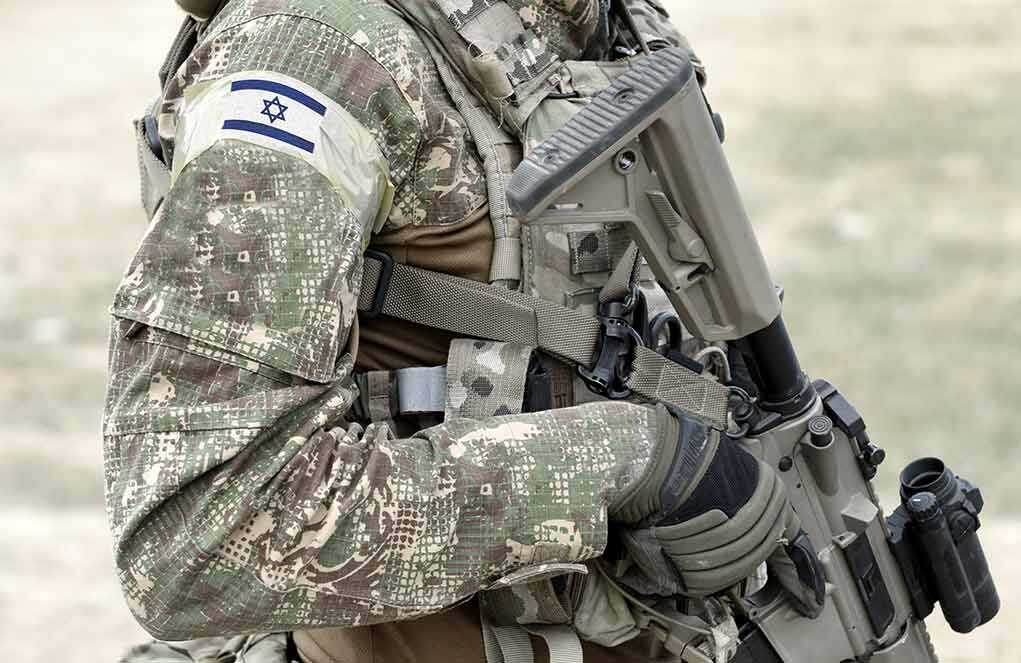
Fresh video of West Bank gunfire lands in a fog of claims and counterclaims, while Israel says troops were stopping terror threats, not targeting bystanders.
Story Snapshot
- Israeli military says forces fired amid active threats during West Bank operations.
- Officials describe actions as counterterrorism to protect Israeli civilians.
- Witnesses and advocacy groups allege excessive or unlawful force in some cases.
- Key details like full rules of engagement and on-scene logs are not public.
What Israeli Officials Say Happened During Recent Shootings
Reuters reports Israeli commanders said units responded to armed attacks and urgent threats in several West Bank incidents. Major General Avi Bluth said forces acted to prevent the area from spiraling into more violence, describing the operations as counterterrorism measures to protect Israeli civilians. The military said in one clash that a group opened fire after stealing a weapon from a security officer. Troops then deployed to pursue attackers and stop further harm to Israelis.
Another Reuters account said the military first described some Israelis at an incident as hikers, then later acknowledged some were armed. Officials said both sides exchanged fire before troops intervened. Israel’s army chief, Lieutenant General Eyal Zamir, framed the moves as steps to thwart terrorism and avoid escalation. Those claims place the shootings inside a self-defense view, with commanders saying soldiers moved to stop an active threat, not target civilians.
Disputed Scenes Around Settlers and Security Personnel
Reports also note tense encounters that mix settlers, security officers, and soldiers, which blur lines and fuel public doubt. In one Reuters piece, the military said Palestinian villagers threw rocks at settlers who were in the area without authorization. A security official then opened fire, and Palestinians were hit, according to that statement. The summary did not spell out whether a lethal threat existed at the exact moment of the shots, leaving key facts unresolved.
Additional coverage describes a pattern that starts with an attack or confrontation and ends with a rapid troop response. Reuters reported deployments after stabbings, shootings, or reports of Israelis entering villages and violence following. Officials said they were “pursuing the terrorists” after one attack near Al-Funduq. These details support the official framing that soldiers moved into danger zones where armed assailants were active and civilians faced risk.
Advocacy Groups and Eyewitnesses Challenge the Use of Force
Advocacy groups and some witnesses reject the official story in several cases and say Israeli forces used deadly force without necessity. Amnesty International said Israeli forces in the West Bank carried out unlawful killings and used lethal force disproportionately, citing interviews with eyewitnesses and first responders. These claims do not prove what happened in every video, but they push for higher scrutiny and independent review of each shooting.
Some media reports include local accounts accusing settlers and soldiers of firing into sensitive areas like schools, or of striking people who did not pose an immediate threat. These reports, carried by major outlets, highlight the need for clear, public evidence from on-scene logs, body cameras, and forensic timelines. Without that, the debate stays stuck between official security claims and sharp human rights critiques, with the truth hard to verify in real time.
Why This Matters for Americans Who Value Clarity and Rule of Law
American readers want facts, not spin. Allies have a right to defend against terror, and soldiers must protect civilians. Both things can be true at once. That is why transparency matters. Israel’s statements describe real threats and fast-moving danger. But the public still lacks full rules of engagement, radio traffic, and body camera video for the specific incidents in the latest footage. Those gaps keep fair-minded people from seeing the chain of decisions that led to each shot.
Clear evidence would help separate lawful defensive fire from misconduct. It would also blunt activist spin that floods social media before facts land. The standard is simple: show the command timeline, release the relevant video, and publish the findings of any military police review. Swift public records help allies, expose liars, and hold bad actors to account. In a world of viral clips, sunlight, not slogans, protects both security and justice.
Bottom Line for U.S. Policy and Conservative Priorities
America stands with allies who fight terror, and we also demand accountability under law. Congress should back information-sharing that speeds credible reviews without tying soldiers’ hands. The goal is not politics. The goal is truth. When video shows gunfire, the question is why, by whom, and under what rules. Fast, factual answers protect innocent people, support legitimate force, and shut down propaganda that feeds chaos and weakens free nations.
Until fuller records are public, readers should weigh each new clip against established facts: officials cite active threats and counterterror aims; critics cite excessive force and civilian harm. The fastest way to resolve that split is evidence on the record. That serves security, preserves moral authority, and keeps America’s support aligned with the rule of law and common sense, not with noise from the loudest crowd online.
Sources:
youtube.com, reuters.com, apnews.com, middleeasteye.net