

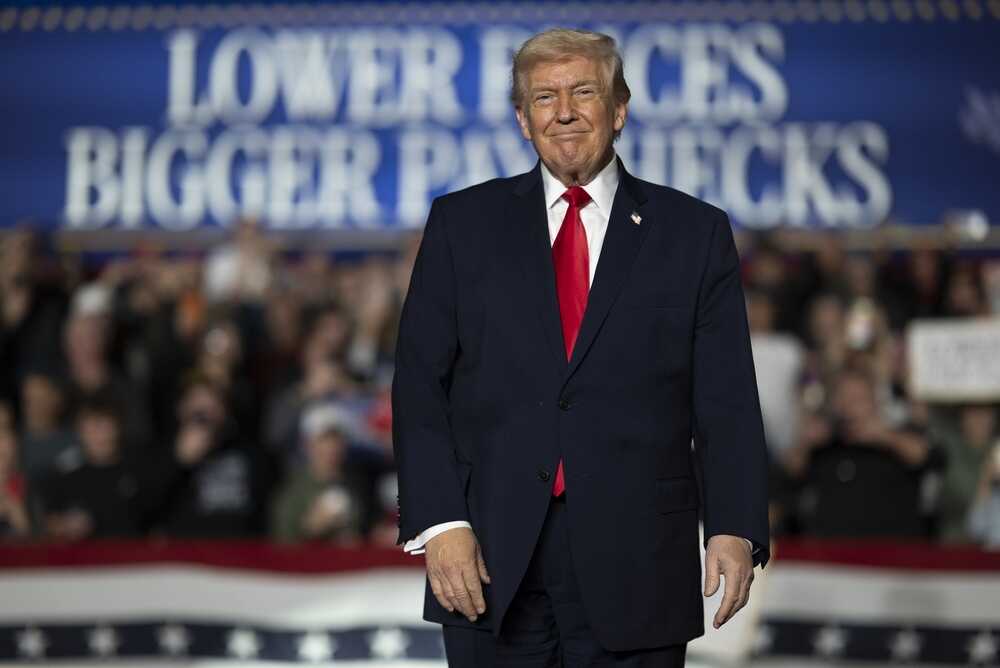
After promising voters an orderly second term, President Trump is now weighing another round of Cabinet shake-ups—raising questions about who is really steering the federal government heading into the 2026 midterms.
At a Glance
- Pam Bondi was ousted as attorney general on April 1, 2026, and a new round of potential departures is being discussed.
- Reporting says Trump is angry about officials he views as underperforming or attracting negative attention.
- Labor Secretary Chavez-DeRemer and Commerce Secretary Howard Lutnick are specifically mentioned as possible targets, though no final decisions are made.
- The White House publicly insists both officials have the president’s “full support,” highlighting a familiar leak-versus-message dynamic.
- The potential reshuffle lands as Republicans look toward the November 2026 midterms and the Senate confirmation math that could follow.
Bondi’s Ouster Signals a Possible Second-Term Reset
Politico reported April 2, 2026, that President Trump is considering additional Cabinet changes a day after Pam Bondi was ousted as attorney general. The report describes Trump as “very angry” and focused on officials perceived to have underperformed or generated too much negative attention. While second-term Cabinet turnover had been relatively low for about 15 months, the Bondi move could mark the beginning of the administration’s most significant reshuffle yet.
The White House message is different from the anonymous chatter. Spokesperson Taylor Rogers said Chavez-DeRemer and Lutnick are “doing a great job” and continue to have the president’s “full support.” That split matters because it suggests deliberations are real but not finalized, and it also shows the administration trying to keep markets, agencies, and congressional allies steady while the president vents privately and weighs options publicly.
Who’s on the List: Labor and Commerce in the Crosshairs
The officials most directly discussed are Labor Secretary Chavez-DeRemer and Commerce Secretary Howard Lutnick. Politico’s reporting says Lutnick has been on “thin ice” and that removing him is viewed internally as a way to reset economic messaging. Chavez-DeRemer is also under discussion, with aides framing the broader impulse as targeting “underperformance” or “negative attention.” As of the reporting, there were no final decisions and no firings beyond Bondi.
For conservative voters who care less about palace intrigue and more about outcomes, the key question is capacity: Does a revolving door improve execution, or does it slow the machinery of government? Federal departments do not pause because Washington is fighting with itself. When leadership turns over, priorities shift, deputies jockey for position, and agencies wait for direction—especially if replacements face political headwinds in the Senate.
Midterm Math and Senate Confirmations Are Part of the Calculus
One reason the timing matters is the political landscape ahead of November 2026. Politico framed the potential shuffle as a strategic reset aimed at improving economic messaging and anticipating confirmation trouble if Democrats pick up seats in the midterms. In other words, personnel decisions are not only about performance; they are also about what the administration believes it can get through the Senate later. That reality can pressure the White House to act sooner rather than later.
This is where constitutional structure meets political reality. Cabinet secretaries are executive officials, but many must be confirmed by the Senate, a check the Founders designed to prevent pure patronage and impulsive staffing. If the administration delays changes until after the midterms and the Senate becomes less cooperative, vacancies can linger and “acting” officials can proliferate. That may be legal, but it can weaken accountability because acting leaders often avoid big decisions.
History Suggests Turnover Can Become a Governing Problem
Trump’s first term was defined by unusually high turnover at the top. Brookings tracked that by January 2021, 92% of “A Team” positions had changed at least once, and many roles turned over multiple times. Wikipedia’s running list of dismissals and resignations documents rapid exits and “resigned under pressure” departures across major posts. Those numbers do not prove today’s deliberations will spiral, but they underline why stability became a selling point for a second term.
The available reporting also flags uncertainty. Politico notes Trump has contemplated firings before and then backed off, which fits a pattern of testing options through aides and press coverage. For voters, the practical takeaway is to separate what is confirmed from what is rumored: Bondi is out; the rest remains under discussion. If additional removals happen, the administration will need to show how new personnel choices translate into tighter management and clearer priorities.
It is still unclear what specific performance metrics triggered Trump’s frustration. What is clear is that the administration is approaching a consequential stretch—economic messaging, agency execution, and midterm positioning—where internal dysfunction can become a political liability. Conservatives who want results, not drama, will be watching whether any reshuffle produces measurable gains rather than another cycle of headlines.
Sources:
Trump weighs more Cabinet changes after Bondi ouster
Tracking turnover in the Trump administration